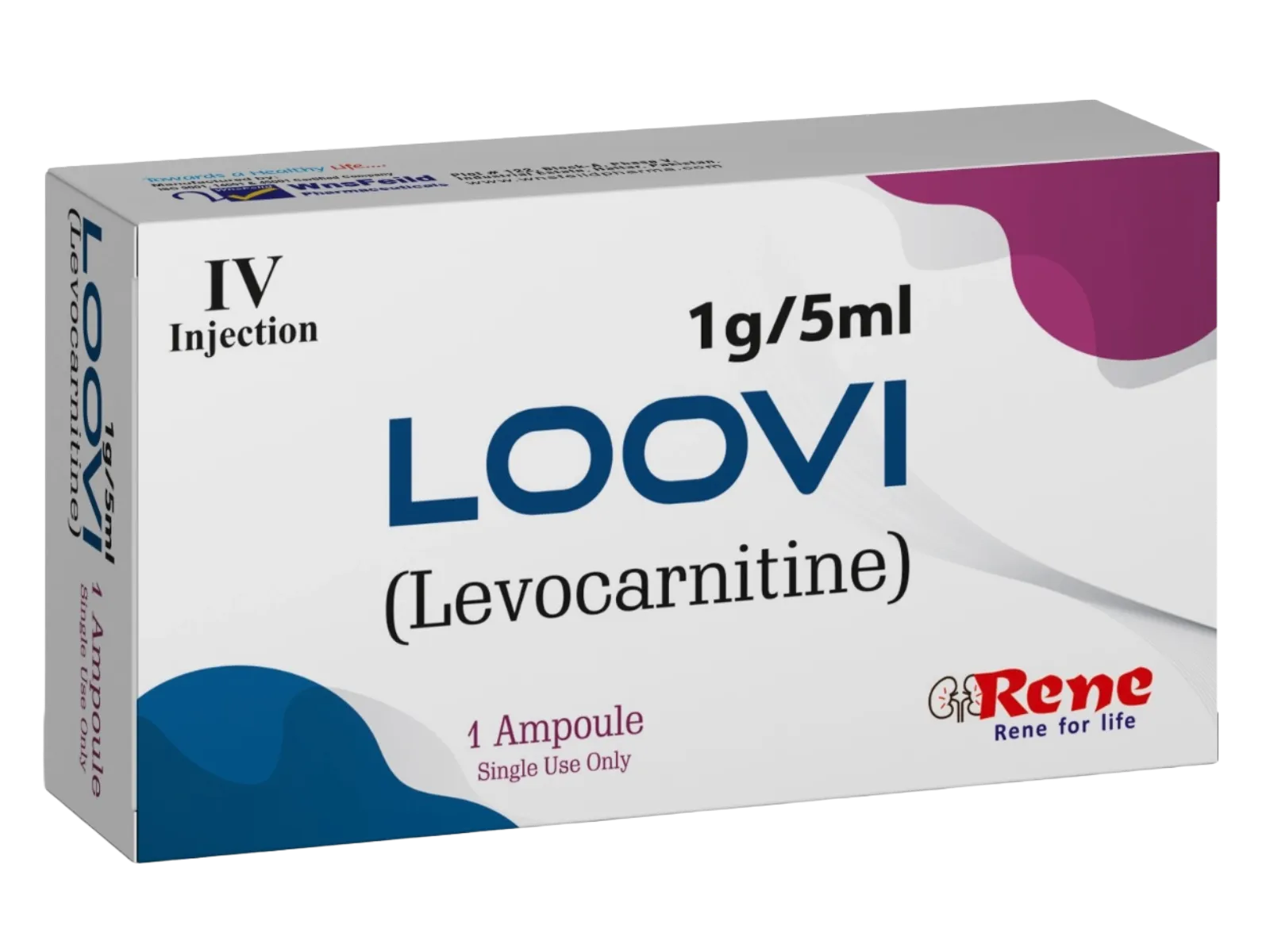
Description
Zoledronic Acid
Description
Zoledronic acid is a potent medication that belongs to a class of drugs called bisphosphonates. It is administered intravenously (IV) and works primarily on the bones. It is also known by the brand names Reclast and Zometa.
Indications
Zoledronic acid is used to treat a variety of metabolic bone disorders, including both malignant and benign diseases. Key indications include:
- Osteoporosis: Treatment and prevention of osteoporosis in postmenopausal women and men, as well as glucocorticoid-induced osteoporosis.
- Paget’s Disease of Bone: Treatment of this chronic condition characterized by abnormal bone remodeling.
- Hypercalcemia of Malignancy: Treatment of high blood calcium levels caused by certain types of cancer.
- Bone Metastases: Used in conjunction with other cancer therapies to prevent skeletal-related events (such as fractures or the need for radiation/surgery to the bone) in patients with bone lesions from multiple myeloma or other solid tumors.
Mechanism of Action
Zoledronic acid works by targeting and inhibiting osteoclasts, which are the cells responsible for breaking down bone tissue. The mechanism is as follows:
- High Affinity for Bone: Zoledronic acid has a very high affinity for bone mineral, specifically hydroxyapatite crystals, and preferentially binds to sites of active bone remodeling.
- Osteoclast Absorption: When osteoclasts begin the process of bone resorption, they release the bone-bound zoledronic acid. The drug is then absorbed by the osteoclasts.
- Inhibition of Farnesyl Pyrophosphate Synthase (FPPS): Once inside the osteoclast, zoledronic acid inhibits a key enzyme called farnesyl pyrophosphate synthase (FPPS), which is part of the mevalonate pathway.
- Disruption of Osteoclast Function: By blocking FPPS, zoledronic acid prevents the synthesis of important lipids needed for the proper function and survival of osteoclasts. This disrupts their ability to attach to the bone surface and carry out bone breakdown.
- Induction of Apoptosis: The disruption of the mevalonate pathway ultimately leads to the programmed cell death (apoptosis) of the osteoclasts, which further reduces bone resorption.
In essence, by inhibiting osteoclast activity and promoting their death, zoledronic acid slows down the rate of bone breakdown. This shifts the balance in favor of bone formation by osteoblasts, leading to an increase in bone mass and density.
Reviews
There are no reviews yet.