
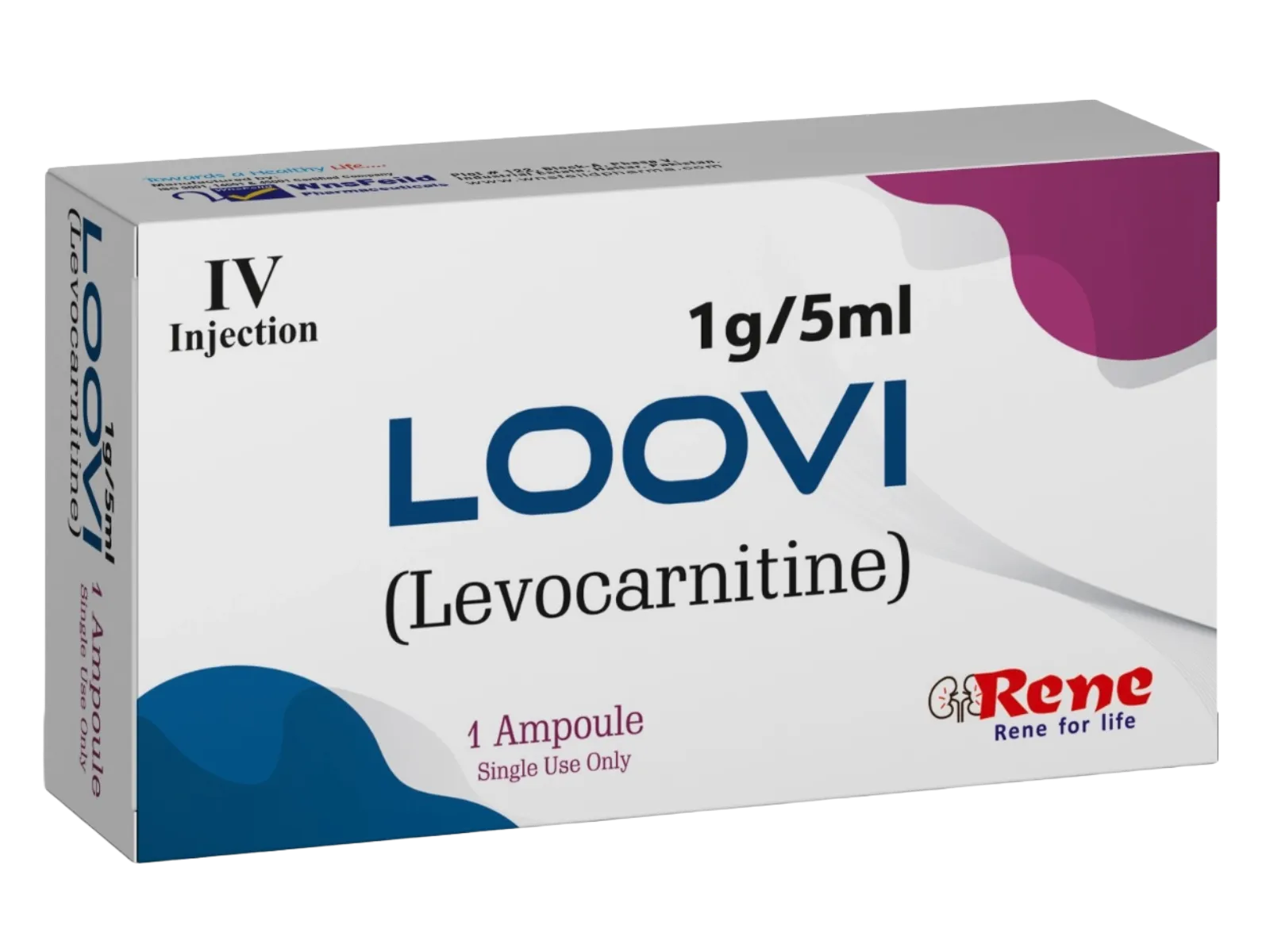
Description
Description
Escitalopram, typically formulated as Escitalopram Oxalate, is an antidepressant medication that belongs to the Selective Serotonin Reuptake Inhibitor (SSRI) class.
Indications
Escitalopram is used to treat various mental health disorders associated with an imbalance of serotonin in the brain.
- Major Depressive Disorder (MDD): It is a first-line treatment for depression in adults and adolescents aged 12 and older.
- Generalized Anxiety Disorder (GAD): It is also a first-line treatment for GAD.
- Other Off-label Uses: Escitalopram is also used to treat a number of other conditions, including:
- Obsessive-Compulsive Disorder (OCD)
- Obsessive-Compulsive Disorder (OCD)
-
- Panic Disorder with or without agoraphobia
- Panic Disorder with or without agoraphobia
-
- Social Anxiety Disorder (Social Phobia)
- Social Anxiety Disorder (Social Phobia)
-
- Post-Traumatic Stress Disorder (PTSD)
- Post-Traumatic Stress Disorder (PTSD)
Similar to other antidepressants, the full anxiolytic and antidepressant effects of escitalopram are typically not felt immediately and may take up to 2 to 4 weeks to become fully effective.
Mechanism of Action
Escitalopram’s mechanism of action is centered on its highly selective and potent inhibition of the serotonin transporter.
- Serotonin System: Serotonin (5-HT) is a key neurotransmitter involved in mood regulation, sleep, and various cognitive functions.
When released from a neuron into the synapse, serotonin transmits a signal to the next neuron. To regulate this signal, the excess serotonin is normally reabsorbed back into the releasing neuron through a protein called the serotonin transporter (SERT).
- Escitalopram’s Action: As a highly selective SSRI, escitalopram works by potently and allosterically inhibiting the SERT. It binds to both the primary binding site and an allosteric (secondary) site on the transporter protein.
This dual binding action is thought to make it a more effective inhibitor of serotonin reuptake compared to its racemic parent compound, citalopram. By blocking the SERT, escitalopram prevents the reabsorption of serotonin back into the presynaptic neuron.
- Resulting Effect: This inhibition leads to a rapid and significant increase in the concentration of serotonin in the synaptic cleft. The elevated serotonin levels allow for a greater and more prolonged stimulation of the serotonin receptors on the postsynaptic neuron. Over time, this sustained increase in serotonin activity is thought to lead to adaptive changes in the brain’s neuronal circuitry, which are responsible for its therapeutic effects on mood and anxiety.
The high selectivity of escitalopram for the serotonin transporter means it has very little effect on other neurotransmitter systems (like dopamine, norepinephrine, or histamine).

Reviews
There are no reviews yet.