
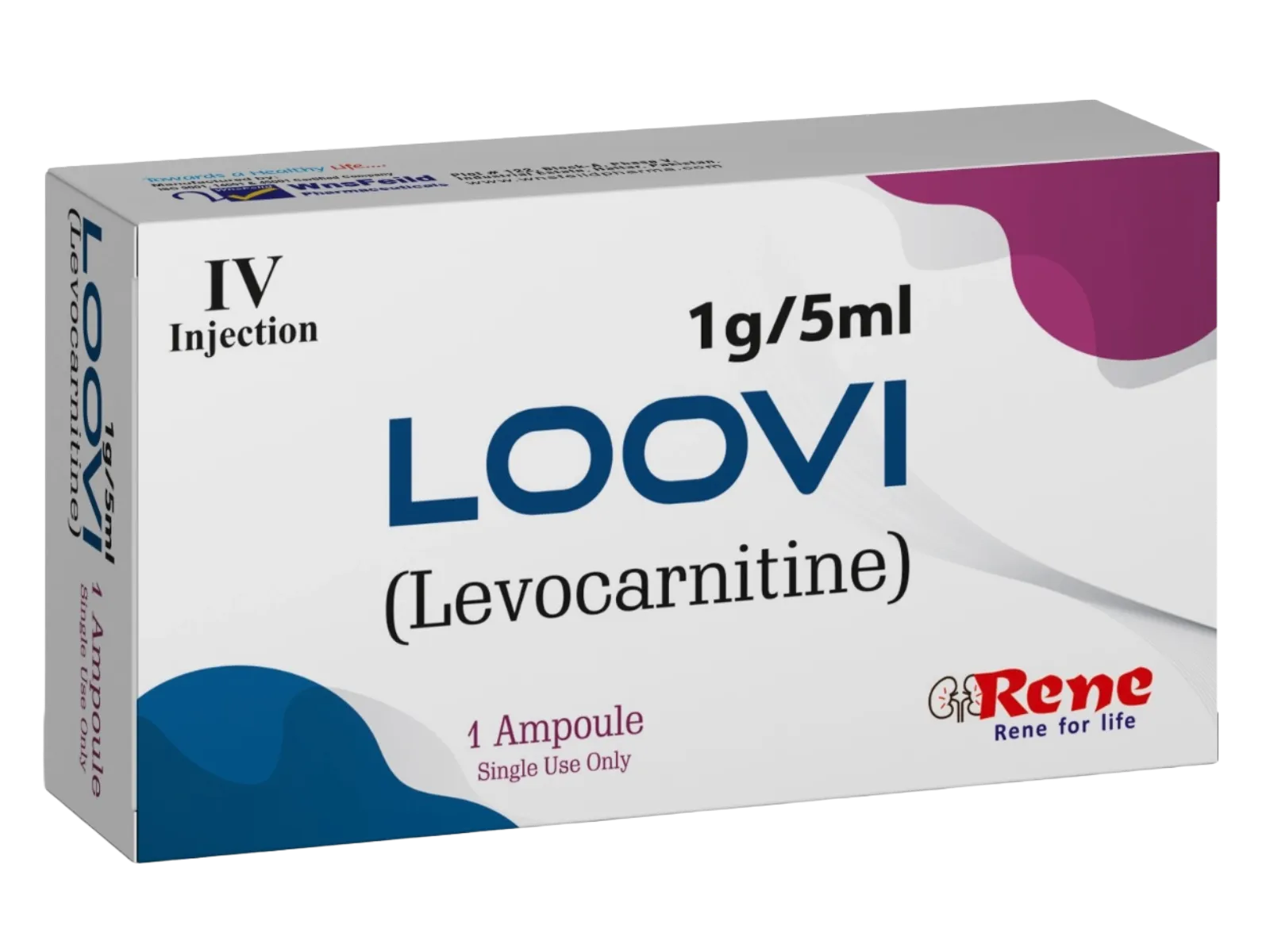
Description
Description
Aprepitant is an antiemetic medication, meaning it is used to prevent nausea and vomiting. It belongs to a class of drugs known as neurokinin-1 (NK-1) receptor antagonists. It is available in both oral (capsule and suspension) and intravenous forms.
Indication
Aprepitant is primarily used to prevent:
- Chemotherapy-induced nausea and vomiting (CINV): It is used in combination with other antiemetic drugs (like 5-HT3 receptor antagonists and corticosteroids) for patients receiving highly and moderately emetogenic chemotherapy. It is effective for both acute (within 24 hours of chemotherapy) and delayed (more than 24 hours after chemotherapy) CINV.
- Postoperative nausea and vomiting (PONV): It can also be used to prevent nausea and vomiting that occur after surgery.
Mechanism of Action
Aprepitant works by targeting a specific pathway in the body that leads to the vomiting reflex. The key steps of its mechanism are:
- Substance P and NK-1 Receptors: Nausea and vomiting are often triggered by a neuropeptide called Substance P. This substance acts as a neurotransmitter and is found in high concentrations in the “vomiting center” of the brain, as well as in the gastrointestinal tract. When Substance P is released (for example, due to chemotherapy), it binds to and activates specific receptors called neurokinin-1 (NK-1) receptors.
- Blocking the Receptor: Aprepitant is a selective and high-affinity antagonist of the NK-1 receptor. This means it binds to the NK-1 receptors and blocks them, preventing Substance P from binding and activating them.
- Interrupting the Signal: By blocking the NK-1 receptors, aprepitant interrupts the signal that would otherwise be sent to the brain’s vomiting center. This action effectively prevents the initiation of the vomiting reflex.
- Complementary Action: A significant feature of aprepitant is its unique mechanism of action, which is different from other common antiemetics like serotonin (5-HT3) receptor antagonists (e.g., ondansetron) or corticosteroids (e.g., dexamethasone). This allows for a more comprehensive and powerful antiemetic effect when used in combination with these other drugs, as it targets a separate pathway in the emetic process.
Reviews
There are no reviews yet.