
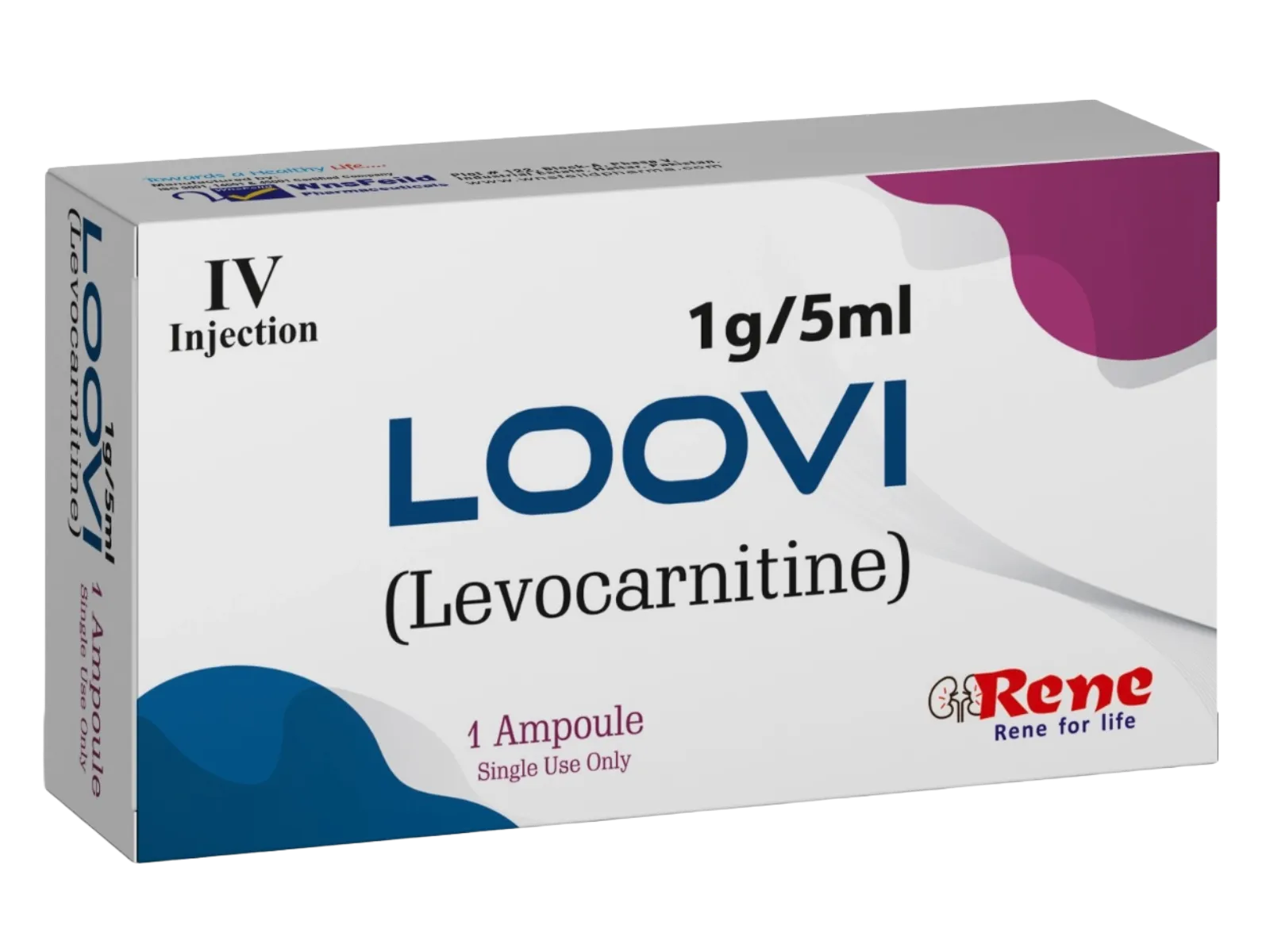
Description
Description
Calcium acetate is the calcium salt of acetic acid. It is a white, odorless crystalline powder that is readily soluble in water. While it can occur naturally, it is typically produced synthetically for commercial and medical use. In medicine, it is available in oral forms such as tablets, capsules, and solutions.
Indication
The primary medical indication for calcium acetate is the treatment of hyperphosphatemia (high levels of phosphate in the blood) in patients with end-stage renal disease (ESRD) who are on dialysis. Due to impaired kidney function, these patients cannot effectively excrete phosphate, which can lead to complications such as bone and cardiovascular diseases.
Mechanism of Action
Calcium acetate works as a phosphate binder. When a patient with hyperphosphatemia takes it with food, it dissolves in the acidic environment of the stomach, releasing calcium ions. These calcium ions then bind with the dietary phosphate in the gastrointestinal (GI) tract to form an insoluble calcium phosphate complex. This complex is not absorbed by the intestines and is instead eliminated from the body in the feces. By binding to phosphate in the gut, calcium acetate effectively reduces the amount of phosphate that enters the bloodstream, thereby lowering serum phosphate levels.
Reviews
There are no reviews yet.