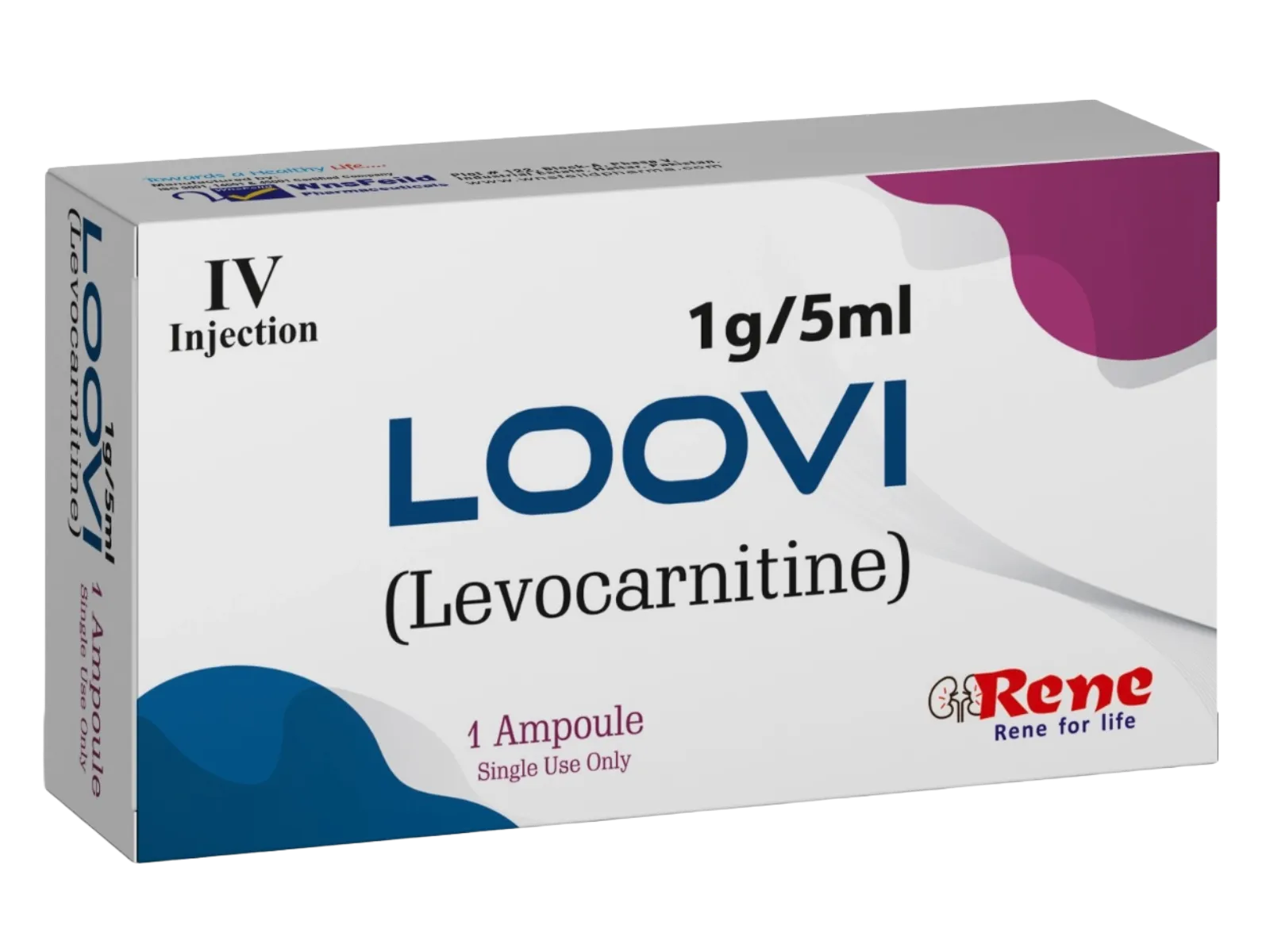
Description
Zegwin
Description
Sitagliptin is an oral medication for type 2 diabetes.
Indications
Sitagliptin is used to improve glycemic control in adults with type 2 diabetes mellitus.
- As a monotherapy in patients for whom diet and exercise alone do not provide adequate blood sugar control.
- In combination with other oral anti-diabetic medications, such as metformin, a sulfonylurea, or a thiazolidinedione, when a single agent does not provide adequate control.
- In combination with insulin (with or without metformin) when insulin therapy alone does not provide adequate control.
Mechanism of Action
Sitagliptin’s mechanism of action is focused on the incretin system, which is a hormonal pathway that helps regulate blood sugar in response to meals.
- DPP-4 Inhibition: Sitagliptin selectively inhibits the enzyme dipeptidyl peptidase-4 (DPP-4).
This enzyme is responsible for the rapid breakdown and inactivation of a group of hormones called incretins, specifically glucagon-like peptide-1 (GLP-1) and glucose-dependent insulinotropic polypeptide (GIP).
- Increased Incretin Levels: By inhibiting DPP-4, sitagliptin prevents the rapid degradation of these incretin hormones.
This leads to higher and more prolonged levels of active GLP-1 and GIP in the bloodstream.
- Glucose-Dependent Insulin Release: The increased levels of active incretins stimulate the beta cells in the pancreas to release insulin in a glucose-dependent manner. This means that insulin is released primarily when blood sugar levels are high, which helps to control post-meal glucose spikes.
- Reduced Glucagon Secretion: The higher incretin levels also suppress the secretion of glucagon from the alpha cells of the pancreas.
Glucagon is a hormone that raises blood sugar by signaling the liver to produce and release glucose. By reducing glucagon levels, sitagliptin helps to decrease the liver’s glucose output, particularly after a meal.
In essence, sitagliptin enhances the body’s natural response to food, helping to manage blood sugar without a high risk of causing hypoglycemia (low blood sugar), as its effects are dependent on the presence of high glucose levels.
Reviews
There are no reviews yet.