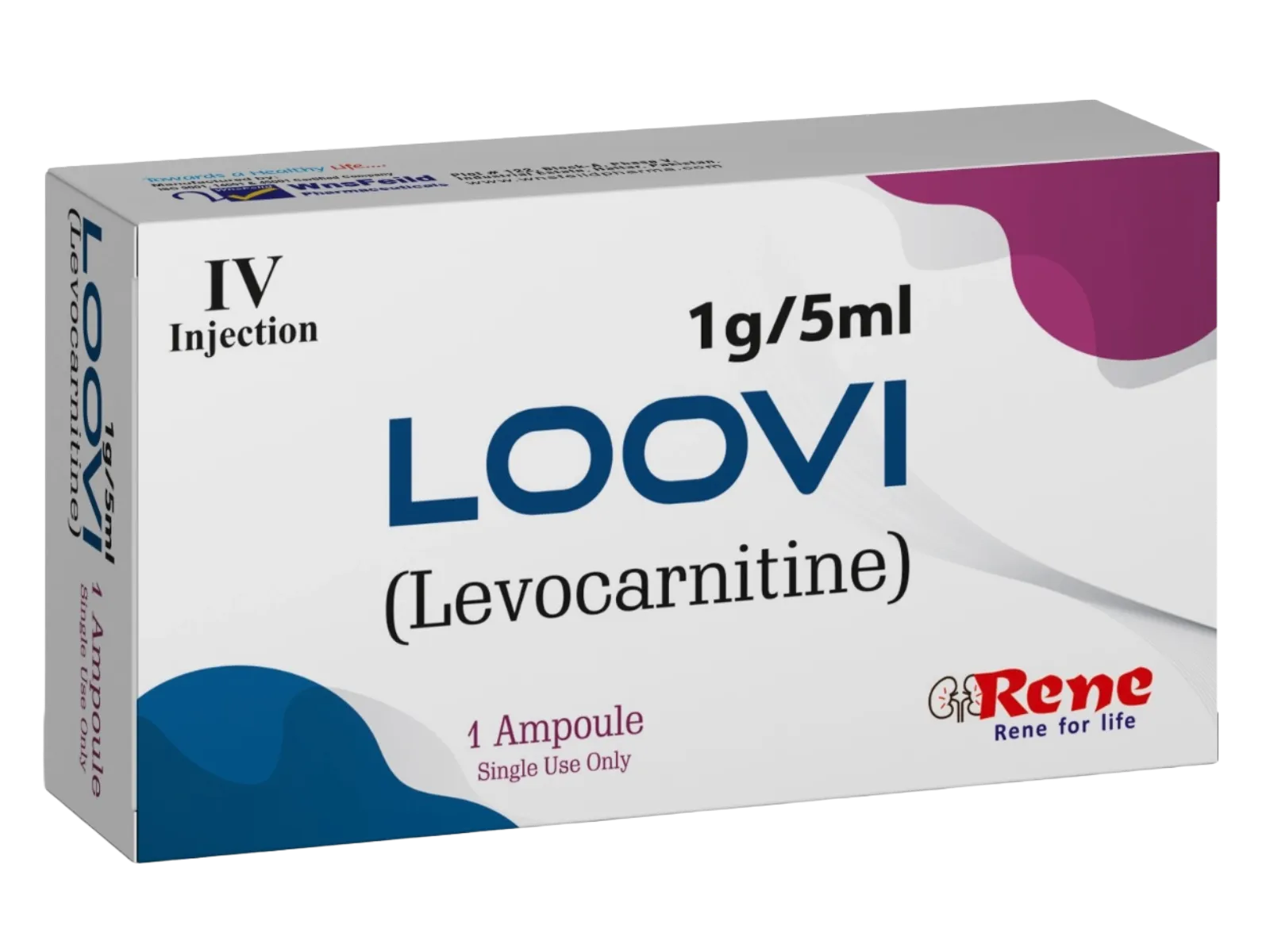
Description
Xclude
Description
Entecavir (trade name Baraclude) is an oral antiviral drug belonging to the class of nucleoside analogues.
Indication
Entecavir is indicated for the treatment of chronic hepatitis B virus infection in adults and children (typically 2 years of age and older) who have evidence of active viral replication and signs of active liver disease, such as persistently elevated liver enzymes (serum aminotransferases) or histological evidence of inflammation and/or fibrosis.
It is used in a variety of patient groups, including:
- Nucleoside-naïve patients (those who have not previously been treated with a nucleoside analogue).
- Patients with lamivudine-resistant HBV infection, though a higher dose is typically required.
- Patients with decompensated liver disease.
Mechanism of Action
The mechanism of action of entecavir involves the inhibition of the HBV DNA polymerase (reverse transcriptase), a key viral enzyme required for the replication of the hepatitis B virus.
- Phosphorylation: After oral administration, entecavir is taken up by host cells and phosphorylated by cellular enzymes to its active triphosphate form, entecavir triphosphate (ETV-TP).
This is the active form of the drug.
- Competitive Inhibition: Entecavir triphosphate acts as a competitive inhibitor of the HBV DNA polymerase.
It competes with the natural substrate of the enzyme, deoxyguanosine triphosphate (dGTP).
- Inhibition of Viral Replication: Entecavir triphosphate effectively inhibits all three functions of the HBV polymerase:
-
- Base Priming: It blocks the initial process of “base priming” which is necessary to start the synthesis of the viral DNA chain.
- Base Priming: It blocks the initial process of “base priming” which is necessary to start the synthesis of the viral DNA chain.
-
- Reverse Transcription: It interferes with the reverse transcription of the pre-genomic RNA into the negative-strand DNA.
- Reverse Transcription: It interferes with the reverse transcription of the pre-genomic RNA into the negative-strand DNA.
-
- DNA Synthesis: It gets incorporated into the growing DNA chain, causing premature chain termination, which prevents the synthesis of the positive strand of viral DNA.
- DNA Synthesis: It gets incorporated into the growing DNA chain, causing premature chain termination, which prevents the synthesis of the positive strand of viral DNA.
By inhibiting these three critical steps, entecavir effectively halts the replication of the hepatitis B virus, leading to a significant reduction in the viral load.


Reviews
There are no reviews yet.