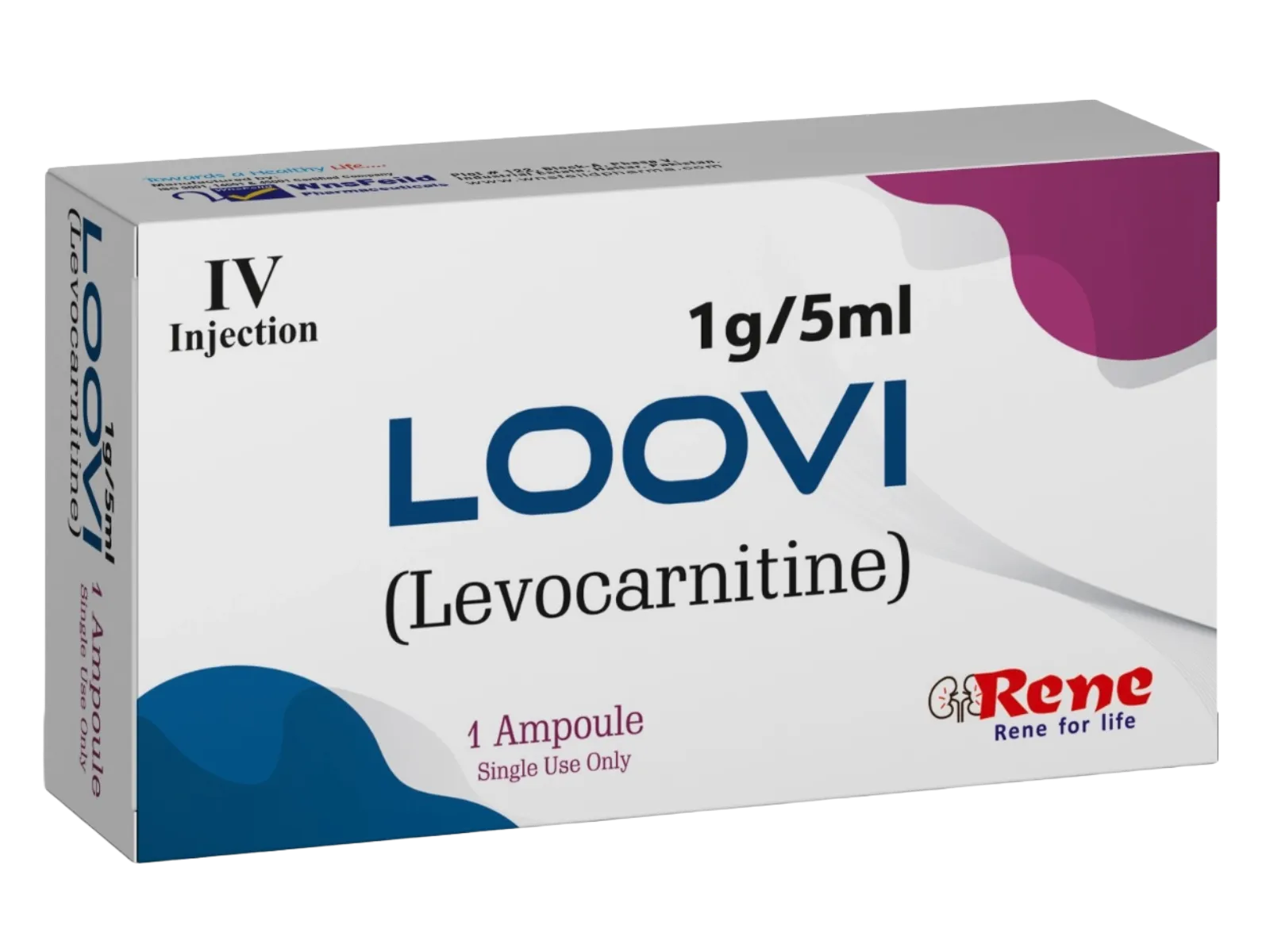
Description
Wnsalclor
Description
Cefaclor is a second-generation cephalosporin antibiotic.
Indications
Cefaclor is used to treat a variety of bacterial infections. Its main indications include:
- Respiratory tract infections: Such as bronchitis, pneumonia, and pharyngitis.
- Urinary tract infections (UTIs): Such as pyelonephritis and cystitis.
- Skin and soft tissue infections: Including abscesses, cellulitis, and carbuncles.
- Otitis media (ear infections).
- Sinusitis.
Mechanism of Action
Cefaclor, like other beta-lactam antibiotics, works by inhibiting bacterial cell wall synthesis.
- Bacterial Cell Wall Synthesis: Bacteria require a rigid cell wall, made of a polymer called peptidoglycan, for structural integrity and survival.
The final stage of this synthesis involves a cross-linking process carried out by enzymes called penicillin-binding proteins (PBPs).
- Beta-Lactam Ring: The key feature of cefaclor is its beta-lactam ring. This ring has a similar structure to the D-alanyl-D-alanine portion of the peptidoglycan precursor.
- Inhibition of PBPs: Cefaclor acts by binding to and inhibiting these PBPs.
By binding to the active site of the enzymes, it prevents them from cross-linking the peptidoglycan strands. - Resulting Effect: This inhibition leads to the formation of a weak and defective bacterial cell wall. The weakened wall cannot withstand the internal osmotic pressure of the bacterium, causing the cell to swell and burst, a process known as lysis.
This leads to bacterial cell death, making cefaclor a bactericidal (bacteria-killing) antibiotic.
Reviews
There are no reviews yet.