Description
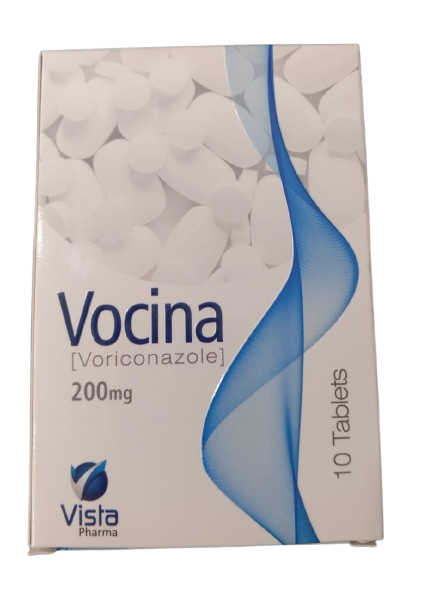
Vocina( Voriconazole)
Description
Voriconazole is a synthetic triazole antifungal medication, part of the azole class of drugs.
Indication
Voriconazole is a powerful antifungal used to treat serious and life-threatening fungal infections, particularly in immunocompromised patients. Its primary indications include:
- Invasive Aspergillosis: It is considered a first-line treatment for invasive aspergillosis, a severe fungal infection of the lungs and other organs, especially in immunocompromised individuals.
- Invasive Candidiasis: It is also indicated for the treatment of invasive candidiasis, including infections in the esophagus, bloodstream, and other deep-seated sites.
- Fungal Infections Caused by Other Pathogens: Voriconazole is effective against other serious infections caused by fungi such as Scedosporium apiospermum and Fusarium species, which are often resistant to other antifungal drugs.
- Prophylaxis: It may be used for the primary prevention of fungal infections in high-risk patients, such as those with neutropenia following chemotherapy or hematopoietic stem cell transplantation.
Mechanism of Action
Voriconazole’s mechanism of action is primarily fungicidal (it kills the fungus) for certain species and fungistatic (it inhibits growth) for others.
- Inhibition of 14-α-demethylase: Voriconazole potently inhibits the fungal cytochrome P450-dependent enzyme called lanosterol 14-alpha-demethylase.
This enzyme is crucial for converting lanosterol into ergosterol.
- Disruption of Cell Membrane Integrity: By blocking this key enzymatic step, voriconazole prevents the production of ergosterol.
This leads to the accumulation of toxic intermediate sterols in the fungal cell membrane.
- Increased Permeability and Cell Death: The defective cell membrane has altered structure, increased permeability, and impaired function. This disruption leads to the leakage of essential cellular components and ultimately results in the death of the fungal cell.
Voriconazole’s potent and broad-spectrum activity is attributed to its high affinity and specific inhibition of fungal cytochrome P450 enzymes. However, this same mechanism can lead to significant drug-drug interactions, as human cytochrome P450 enzymes are also inhibited, requiring careful monitoring.
Reviews
There are no reviews yet.