Description
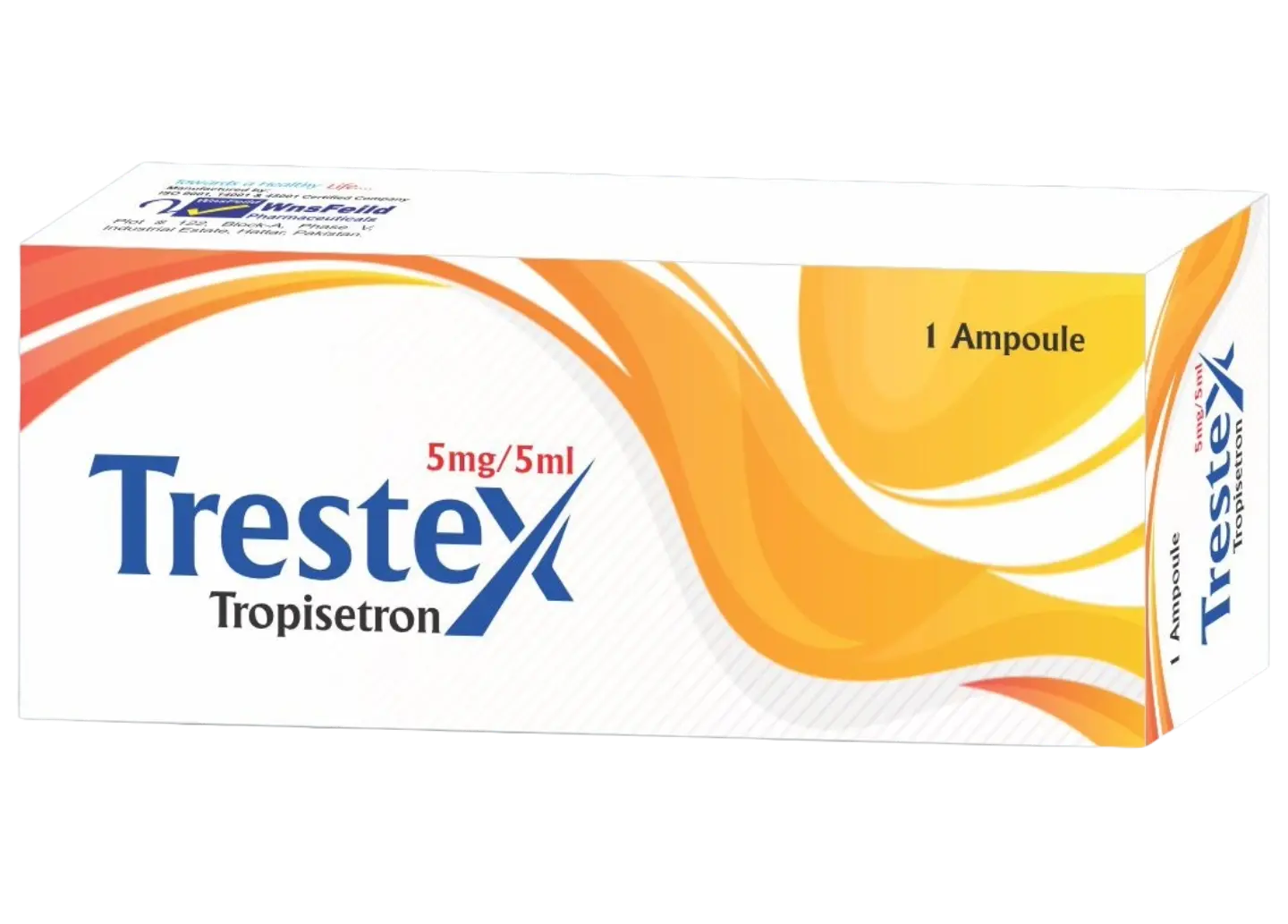
Trestex
Description
Tropisetron is a synthetic antiemetic drug that belongs to the class of medications known as serotonin 5-
Indications
Tropisetron is used for the prevention and treatment of nausea and vomiting, particularly those that are induced by certain medical treatments.
- Chemotherapy-induced nausea and vomiting (CINV): It is a first-line treatment for both acute and delayed nausea and vomiting associated with cancer chemotherapy. It is particularly effective for highly emetogenic chemotherapeutic agents like cisplatin.
- Postoperative nausea and vomiting (PONV): It is also used for the prevention of nausea and vomiting following surgical procedures.
Mechanism of Action
Tropisetron’s mechanism of action is based on its ability to block serotonin receptors, thereby interrupting a key signaling pathway that triggers nausea and vomiting.
- Targeting the 5-HT3 Receptor: Tropisetron is a highly selective and competitive antagonist of the serotonin 5-HT3 receptors. These receptors are found in two critical locations involved in the emetic reflex:
- In the Peripheral Nervous System: They are located on the vagal nerve terminals in the gastrointestinal (GI) tract.
Chemotherapeutic agents and other emetogenic stimuli can cause the release of serotonin from the enterochromaffin cells in the gut. This serotonin then activates the 5- HT3 receptors on the vagal nerve, sending a nausea signal to the brain.
- In the Peripheral Nervous System: They are located on the vagal nerve terminals in the gastrointestinal (GI) tract.
-
- In the Central Nervous System: The receptors are also present in the chemoreceptor trigger zone (CTZ) of the brain. The CTZ receives signals from the blood and cerebrospinal fluid and can independently trigger the vomiting reflex.
- In the Central Nervous System: The receptors are also present in the chemoreceptor trigger zone (CTZ) of the brain. The CTZ receives signals from the blood and cerebrospinal fluid and can independently trigger the vomiting reflex.
- Blocking the Emetic Reflex: By binding to and blocking the 5-
HT3 receptors, tropisetron prevents serotonin from activating them. This action effectively stops the nausea and vomiting signals from reaching the brain and also directly inhibits the vomiting center. This dual action in both the gut and the brain makes tropisetron a powerful antiemetic.
In summary, tropisetron works by blocking the 5-
Reviews
There are no reviews yet.