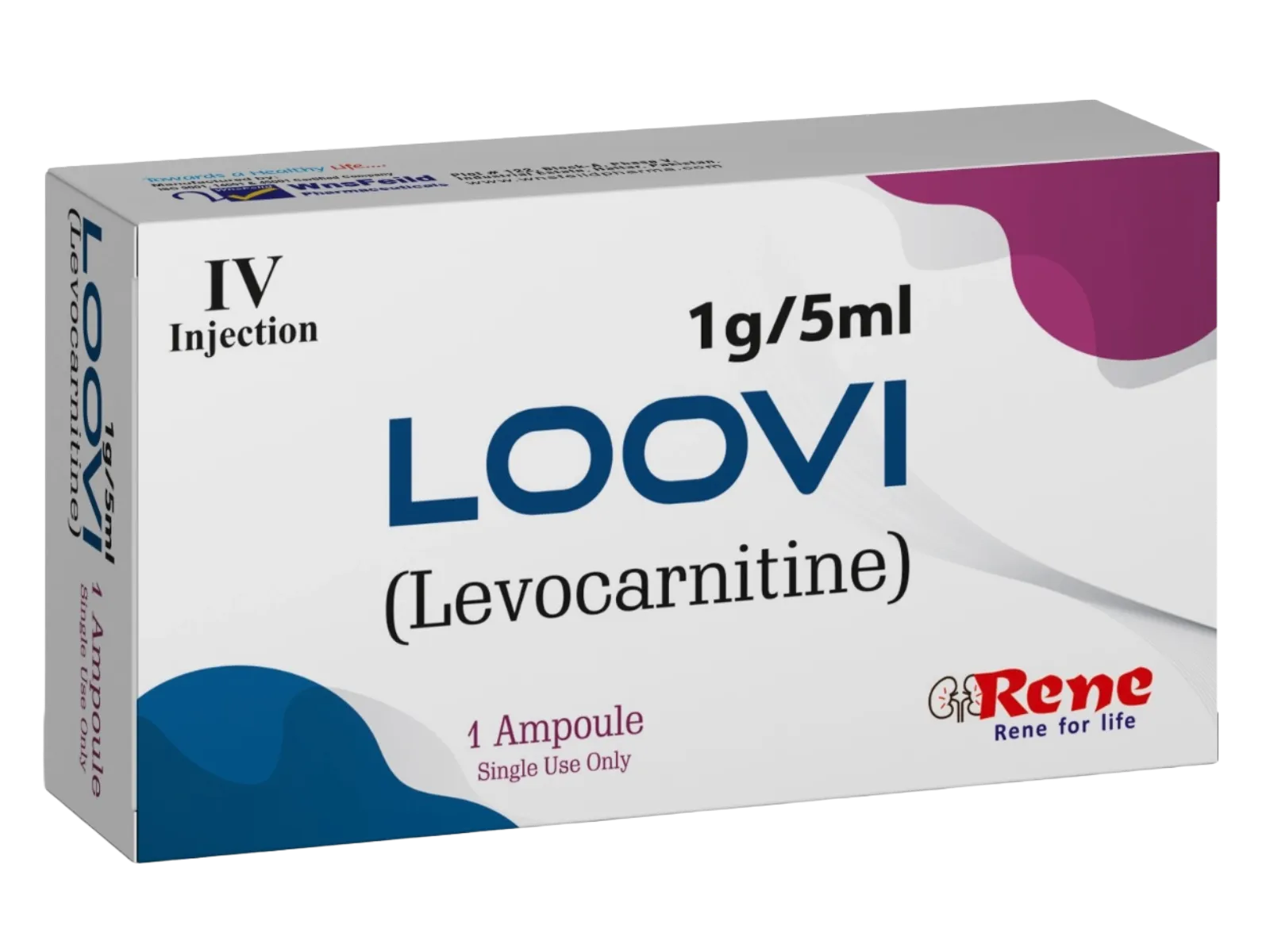
Description
Navix
Description
Esomeprazole Sodium, Lyophilized Powder is a sterile, freeze-dried form of the active drug esomeprazole.
Indications
This injectable form of esomeprazole is primarily used in situations where a patient cannot take the medication orally.
- Gastric antisecretory treatment: This is for short-term use in adults and children with conditions like gastroesophageal reflux disease (GERD) with erosive esophagitis when oral therapy is not possible.
- Risk reduction of rebleeding from gastric or duodenal ulcers: Following a therapeutic endoscopy for acute bleeding, this form of esomeprazole is used to provide continuous acid suppression, which is crucial for preventing a re-bleed.
It is often administered as a bolus followed by a continuous infusion for a period of up to 72 hours.
- Prevention of gastric and duodenal ulcers: In at-risk patients who are unable to take oral medication, particularly those on long-term nonsteroidal anti-inflammatory drugs (NSAIDs).
Mechanism of Action
The mechanism of action for esomeprazole sodium is identical to the oral form of esomeprazole. It is a proton pump inhibitor (PPI) that works by irreversibly blocking the enzyme responsible for gastric acid production.
- Prodrug Activation: Esomeprazole is an inactive prodrug that is administered into the body. After being absorbed, it travels to the parietal cells in the stomach lining.
In the highly acidic environment of these cells, the esomeprazole is converted into its active sulfenamide form.
- Irreversible Inhibition of the Proton Pump: This activated form then binds irreversibly to the H+/K+-ATPase enzyme, also known as the “proton pump.”
The proton pump is the final step in the acid secretion process, responsible for pumping hydrogen ions ( H+) into the stomach.
- Sustained Acid Suppression: By irreversibly blocking the proton pump, esomeprazole effectively prevents both resting and stimulated acid secretion.
The acid-suppressing effect persists much longer than the drug’s half-life in the bloodstream because the parietal cell cannot resume acid production until it synthesizes new proton pumps, a process that takes about 24 hours.
Reviews
There are no reviews yet.