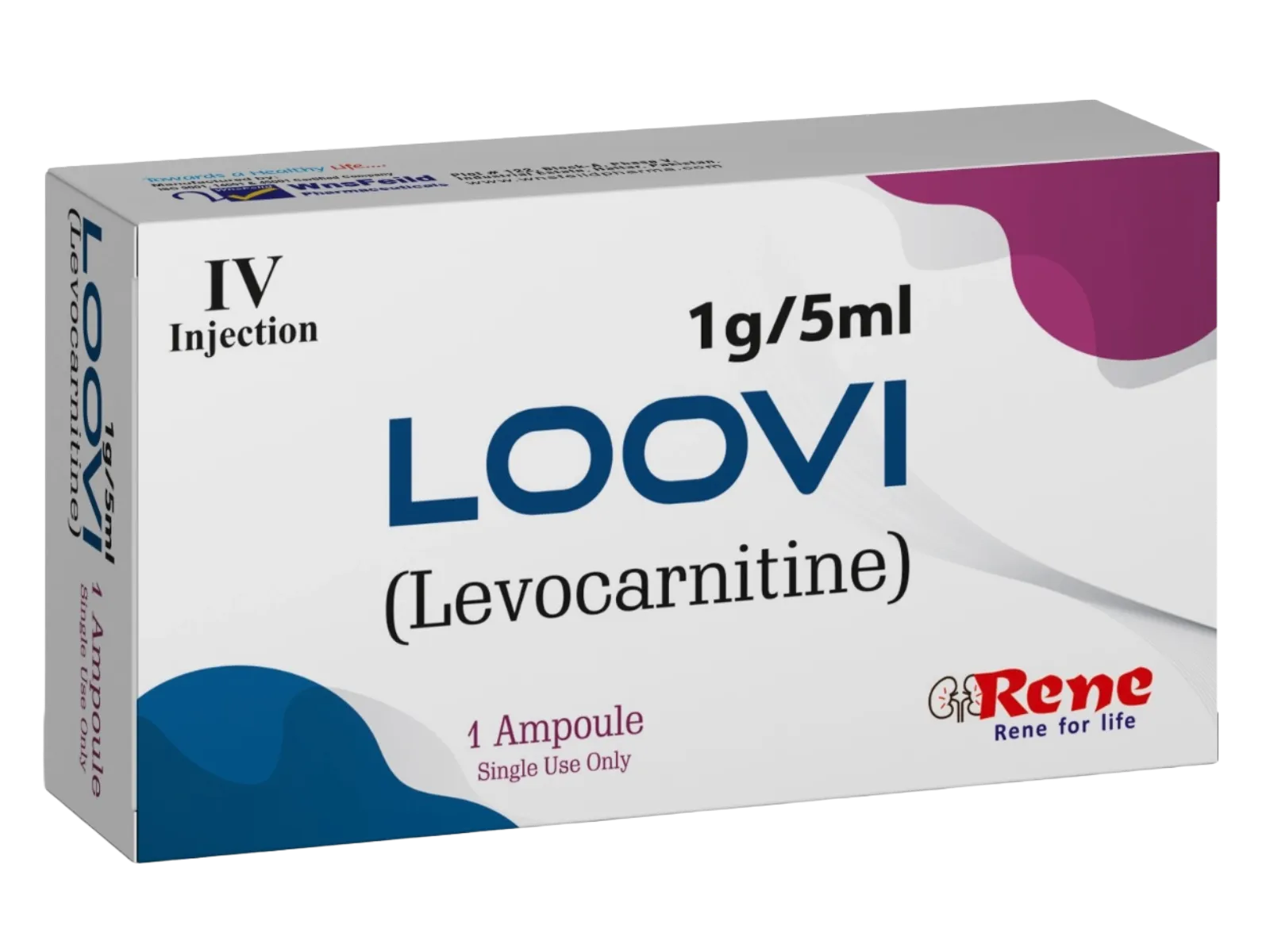
Description
Malasto
Description
Iron Isomaltoside is a modern, high-dose intravenous iron preparation used to treat iron deficiency anemia.
Indication
Iron Isomaltoside is indicated for the treatment of iron deficiency anemia in adults and children who meet specific criteria. Its main indications include:
- Intolerance or Failure of Oral Iron: It is used in patients who cannot tolerate or do not respond adequately to oral iron supplements due to severe gastrointestinal side effects or poor absorption.
- Rapid Iron Repletion: In situations where a very rapid increase in hemoglobin and iron stores is required, such as before major surgery, in severe symptomatic anemia, or in the pre-dialysis stage of chronic kidney disease.
- Inflammatory Bowel Disease (IBD): Patients with IBD often have chronic inflammation and impaired iron absorption, making intravenous iron a preferred treatment.
- Post-bariatric Surgery: Patients who have undergone bariatric surgery are at high risk for iron malabsorption and may require intravenous iron.
Mechanism of Action
The mechanism of action of Iron Isomaltoside is based on its direct intravenous delivery and its controlled, stable breakdown within the body.
- Direct Intravenous Delivery: Iron Isomaltoside is administered directly into the bloodstream. This bypasses the gastrointestinal tract, completely avoiding the gastrointestinal side effects (e.g., nausea, constipation) that are common with oral iron supplements.
- Uptake by Macrophages: The stable Iron Isomaltoside complex is taken up by the cells of the reticuloendothelial system (RES), particularly the macrophages in the liver, spleen, and bone marrow. These macrophages recognize the complex and internalize it.
- Controlled Release of Iron: Inside the macrophages, the complex is gradually broken down in a controlled manner.
This process releases the ferric iron (Fe3+) in a slow and safe way. The controlled release is a key advantage, as it prevents the sudden release of a large amount of free iron, which can be toxic. - Binding to Transferrin and Storage as Ferritin: The released ferric iron is then either:
- Stored: It is stored within the macrophages as ferritin, the body’s primary iron storage protein.
This replenishes the body’s iron reserves.
- Stored: It is stored within the macrophages as ferritin, the body’s primary iron storage protein.
-
- Transported: It is released from the macrophages into the bloodstream, where it binds to transferrin, the transport protein that carries iron to where it is needed.
- Utilization for Erythropoiesis: The transferrin-bound iron is delivered to the bone marrow, the primary site of red blood cell production. Here, the iron is used as a crucial building block for the synthesis of hemoglobin, the protein responsible for oxygen transport.
This process, known as erythropoiesis, is stimulated, leading to a rapid and effective correction of iron deficiency anemia.
Reviews
There are no reviews yet.