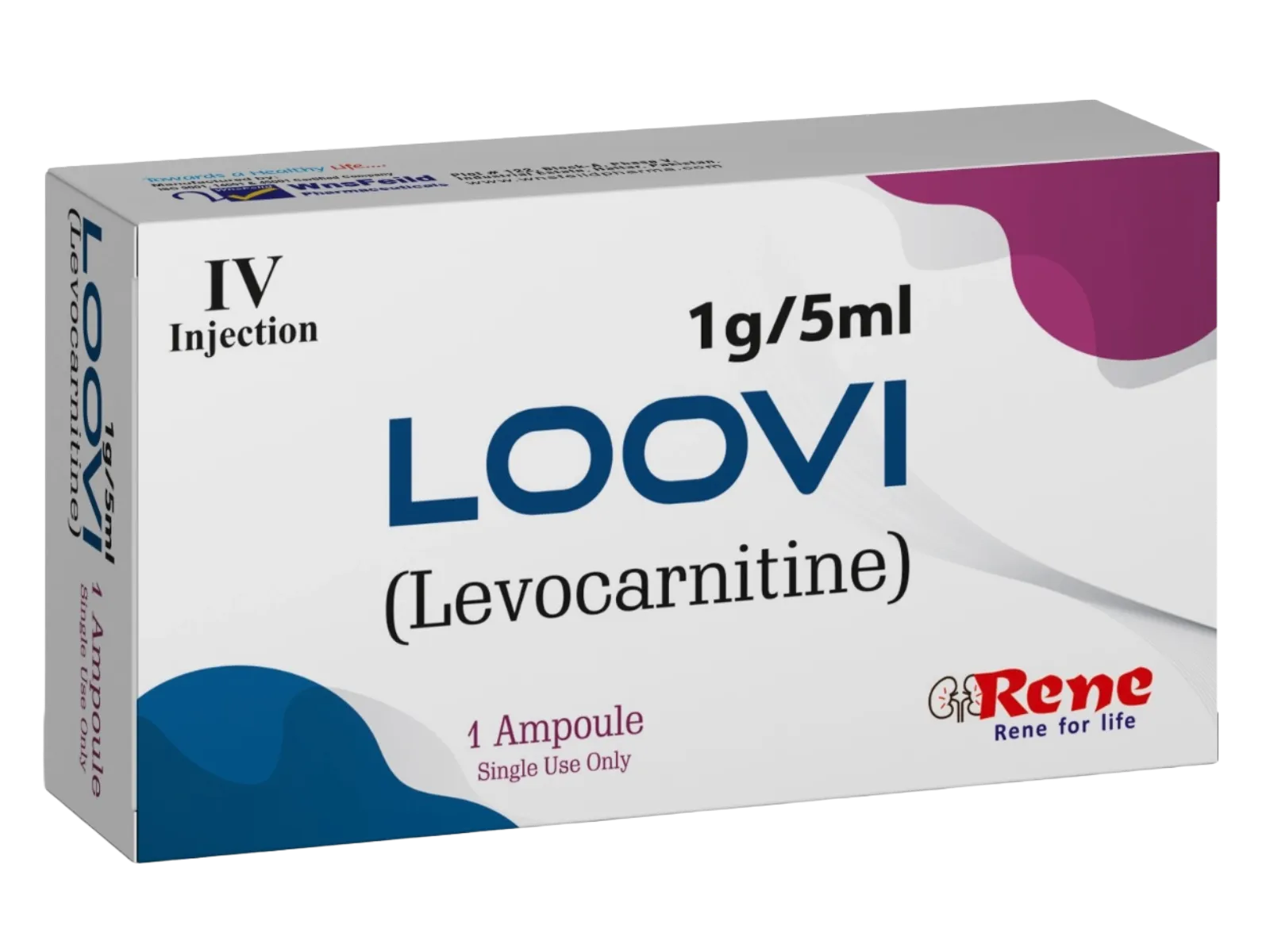
Description
Lyriquine
Description
Chloroquine Phosphate is a synthetic drug that is a member of the 4-aminoquinoline class.
Indications
Chloroquine is indicated for the treatment of several conditions, including both parasitic infections and autoimmune diseases.
- Malaria: It is used for the prophylaxis (prevention) and treatment of certain types of malaria, particularly those caused by susceptible strains of Plasmodium vivax, P. ovale, and P.
malariae. It is generally not effective against P. falciparum due to widespread resistance. - Rheumatoid Arthritis (RA): It is used as a long-term treatment for RA to reduce inflammation and pain and to slow the progression of joint damage.
- Systemic Lupus Erythematosus (SLE): It is used to manage skin and joint symptoms and to prevent disease flares in SLE.
Mechanism of Action
The exact mechanism of action of chloroquine, particularly in autoimmune diseases, is not fully understood, but it is known to have both antimalarial and immunomodulatory effects.
- Antimalarial Action:
- Chloroquine concentrates in the acidic food vacuoles of the malarial parasite (particularly in the blood-stage).
- It inhibits the polymerization of heme, a toxic byproduct of the parasite’s digestion of hemoglobin, into a non-toxic compound called hemozoin.
-
- This leads to a buildup of toxic heme within the parasite’s food vacuole, which damages the parasite’s membranes and eventually kills it.
- This leads to a buildup of toxic heme within the parasite’s food vacuole, which damages the parasite’s membranes and eventually kills it.
- Immunomodulatory Action (for Autoimmune Diseases):
- Interference with Lysosomes: Chloroquine is a weak base that accumulates in the lysosomes of immune cells (like macrophages and antigen-presenting cells) and raises their pH. This raised pH interferes with the function of lysosomal enzymes, which are crucial for processing antigens.
- Inhibition of Antigen Presentation: By altering the lysosomal pH and enzyme activity, chloroquine interferes with the presentation of antigens to T-cells. This reduces the activation of T-cells and the subsequent autoimmune response.
-
- Inhibition of Cytokine Production: It is also believed to inhibit the production of pro-inflammatory cytokines, such as interleukin-1 (
IL1) and tumor necrosis factor-alpha (TNF- α), which are key mediators of inflammation in autoimmune diseases.
- Inhibition of Cytokine Production: It is also believed to inhibit the production of pro-inflammatory cytokines, such as interleukin-1 (
In summary, chloroquine has a dual-purpose mechanism: for malaria, it poisons the parasite by inhibiting heme detoxification, and for autoimmune diseases, it modulates the immune system by interfering with antigen processing and reducing the production of inflammatory mediators.
Reviews
There are no reviews yet.