Description
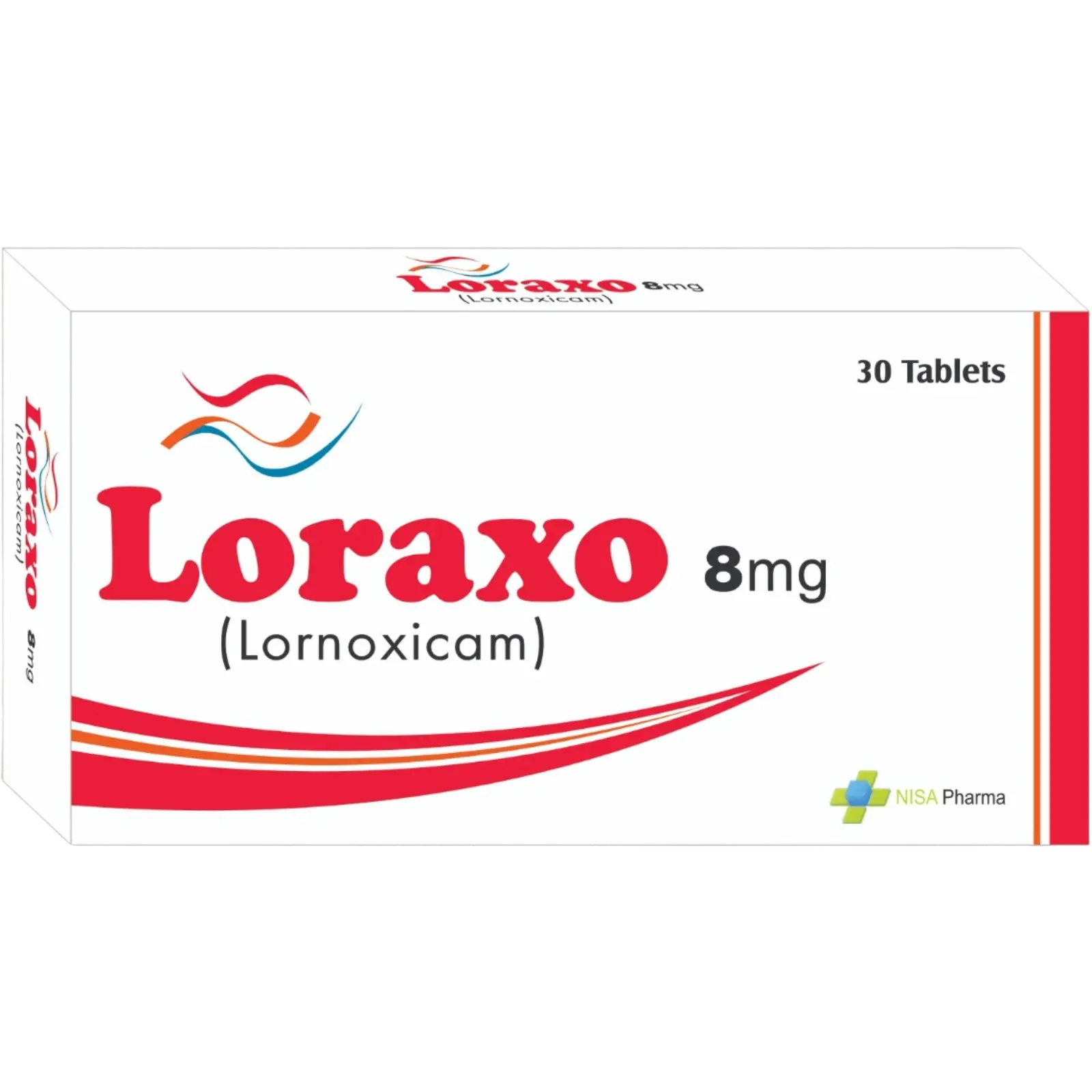
Loraxo
Description
Lornoxicam is a potent nonsteroidal anti-inflammatory drug (NSAID) that belongs to the oxicam class.
Indications
Lornoxicam is indicated for the symptomatic treatment of a variety of painful and inflammatory conditions.
- Acute Pain: It is highly effective for the management of acute pain, such as that following surgery, dental procedures, or traumatic injuries.
- Chronic Pain: It is also used for the symptomatic treatment of chronic inflammatory conditions, such as rheumatoid arthritis and osteoarthritis.
- Sciatica and Lumbago: It is often used for the short-term relief of pain associated with sciatica and lumbago.
Mechanism of Action
Lornoxicam’s mechanism of action is based on its ability to inhibit the synthesis of prostaglandins, which are key mediators of inflammation, pain, and fever.
- Inhibition of Cyclooxygenase (COX) Enzymes: Lornoxicam works by non-selectively inhibiting the activity of the cyclooxygenase-1 (COX-1) and cyclooxygenase-2 (COX-2) enzymes. These enzymes are responsible for converting arachidonic acid into prostaglandins.
- Blocking Prostaglandin Synthesis: By inhibiting both COX-1 and COX-2, lornoxicam significantly reduces the production of prostaglandins.
-
- The inhibition of COX-2 is responsible for the drug’s primary therapeutic effects: reducing inflammation, pain, and fever.
- The inhibition of COX-1 is responsible for some of the common side effects of NSAIDs, such as gastrointestinal irritation, ulcer formation, and a potential for bleeding.
- Other Anti-inflammatory Effects: In addition to its COX inhibition, lornoxicam has been shown to have other anti-inflammatory effects. It can inhibit the release of oxygen free radicals from activated leukocytes (white blood cells) and interfere with the synthesis and release of various inflammatory cytokines.
In summary, lornoxicam is a potent, non-selective NSAID that provides its therapeutic effects by blocking the COX-1 and COX-2 enzymes.
Reviews
There are no reviews yet.