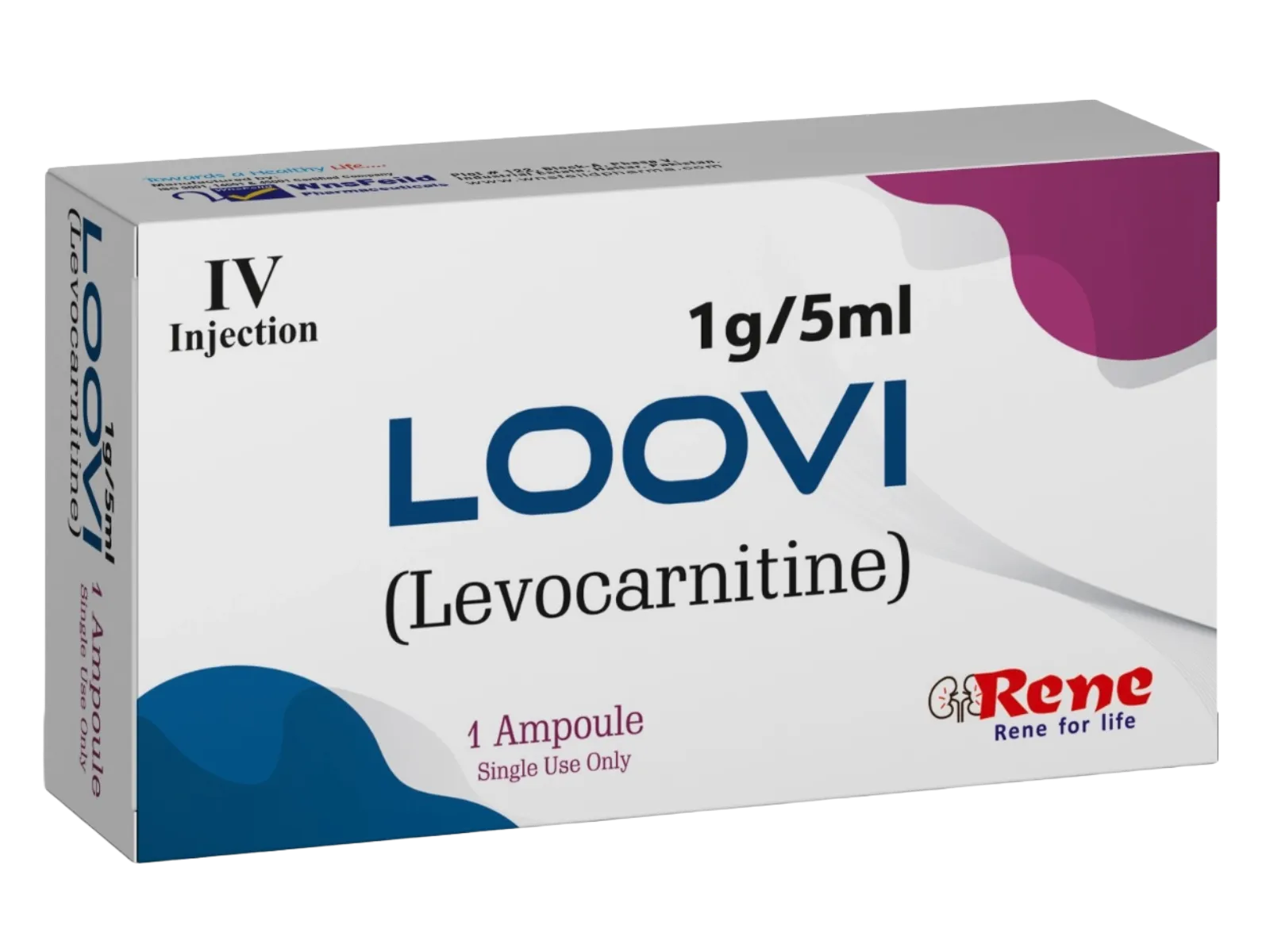
Description
Ayfoxit
Description
Etifoxine, typically formulated as Etifoxine HCl, is a non-benzodiazepine anxiolytic (anti-anxiety) and anticonvulsant medication.
Indications
Etifoxine is primarily used for the short-term treatment of anxiety disorders, particularly those related to a stressful situation.
- Anxiety Disorders: Treatment of anxiety and psychosomatic symptoms, such as autonomic and cardiovascular manifestations, that are part of an adjustment disorder.
- Peripheral Nerve Damage: Some research suggests it may also be used to promote peripheral nerve healing and to treat chemotherapy-induced pain.
Mechanism of Action
The mechanism of action of etifoxine is unique and dual, involving both a direct and an indirect effect on the GABAergic system.
- Direct GABAA Receptor Modulation:
- GABA System: Gamma-aminobutyric acid (GABA) is the main inhibitory neurotransmitter in the brain.
It acts by binding to GABA-A receptors, which are ligand-gated chloride channels. When GABA binds, the channel opens, allowing chloride ions to enter the neuron. This influx of negative ions makes the neuron less likely to fire an electrical signal, thereby having a calming, inhibitory effect. - Etifoxine’s Action: Unlike benzodiazepines, which bind to the alpha subunit, etifoxine binds directly to a different site on the GABA-A receptor, specifically at the interface of the beta-2 and beta-3 subunits.
By binding to this site, it acts as a positive allosteric modulator, enhancing the effect of GABA and leading to an increased influx of chloride ions. This results in a potent inhibitory effect that calms neuronal activity.
- GABA System: Gamma-aminobutyric acid (GABA) is the main inhibitory neurotransmitter in the brain.
- Indirect GABAA Receptor Modulation (Neurosteroid Synthesis):
- TSPO: Etifoxine also binds with high affinity to the 18 kDa translocator protein (TSPO), which is located on the outer mitochondrial membrane in both the central and peripheral nervous systems.
This protein was previously known as the peripheral benzodiazepine receptor (PBR). - Neurosteroid Production: When etifoxine binds to TSPO, it stimulates the synthesis of endogenous neurosteroids, particularly allopregnanolone.
Allopregnanolone is a very potent positive allosteric modulator of GABA-A receptors, and its action is similar to that of benzodiazepines.
- TSPO: Etifoxine also binds with high affinity to the 18 kDa translocator protein (TSPO), which is located on the outer mitochondrial membrane in both the central and peripheral nervous systems.
-
- Resulting Effect: This indirect pathway further enhances GABAergic neurotransmission, contributing to etifoxine’s overall anxiolytic and anticonvulsant effects.
In summary, etifoxine provides its anxiolytic and anticonvulsant effects through a unique dual mechanism: it directly enhances GABA-A receptor function by binding to the beta subunits and indirectly enhances it by stimulating the synthesis of neurosteroids via TSPO. This dual action and its different binding site give it a therapeutic profile with a lower risk of dependence and cognitive side effects compared to traditional benzodiazepines.

Reviews
There are no reviews yet.