Description
Ampine
Description
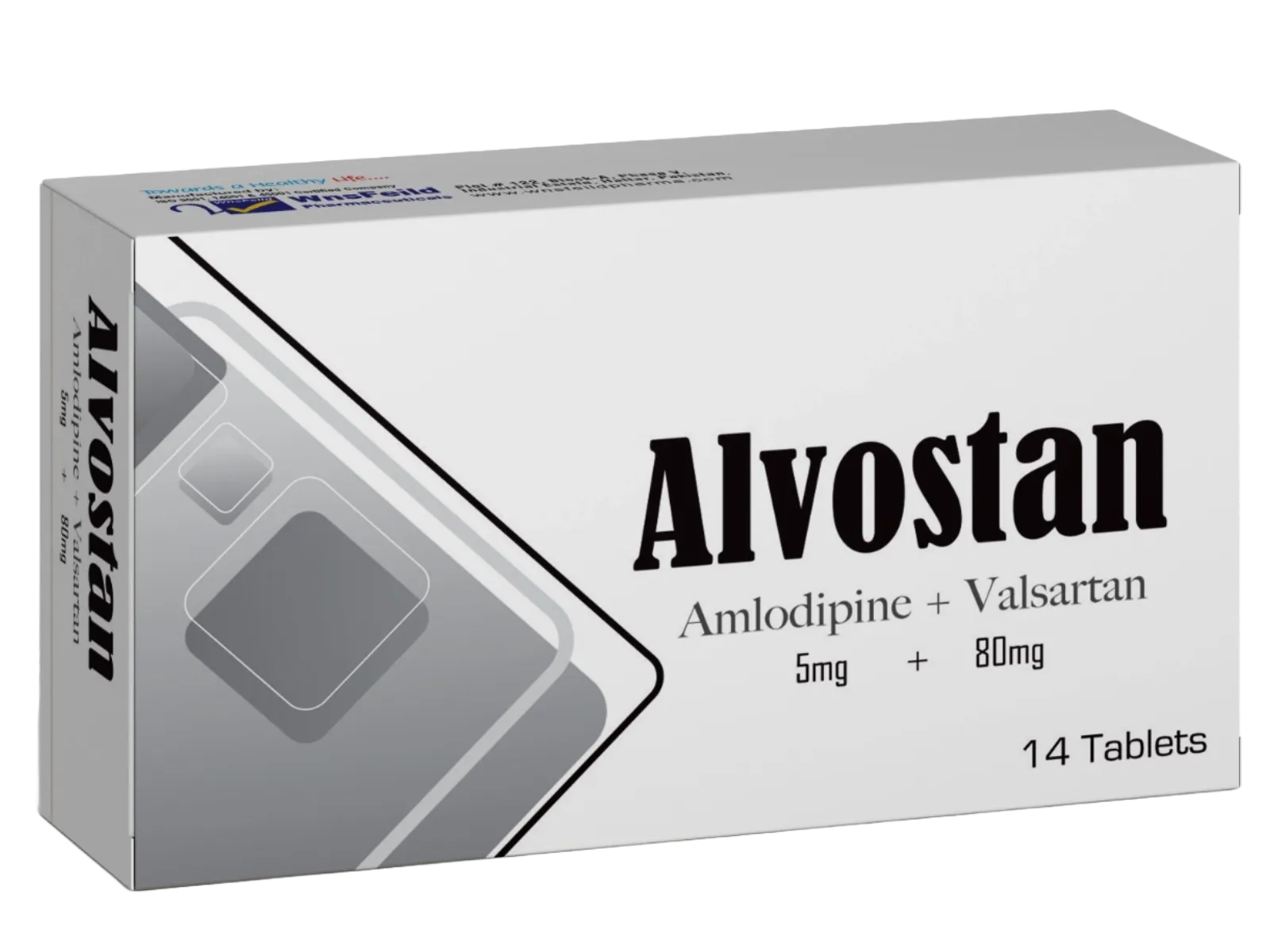
Amlodipine as Besylate is a widely used medication belonging to the class of drugs known as dihydropyridine calcium channel blockers. The besylate salt is used to make the active drug, amlodipine, more stable and soluble, which improves its absorption and efficacy. Amlodipine is a long-acting calcium channel blocker, which allows for once-daily dosing.
Indications
Amlodipine as Besylate is prescribed to treat several cardiovascular conditions. Its primary indications include:
- Hypertension (High Blood Pressure): It is a first-line agent used to lower blood pressure, either alone or in combination with other antihypertensive drugs. By lowering blood pressure, it reduces the risk of serious complications such as stroke, heart attack, and kidney failure.
- Angina Pectoris (Chest Pain):
- Chronic Stable Angina: Used for the symptomatic treatment of chronic stable angina, which is chest pain that occurs with physical exertion.
- Vasospastic Angina (Prinzmetal’s Angina): It is particularly effective in treating this type of angina, which is caused by a spasm of the coronary arteries.
- Coronary Artery Disease (CAD): In patients with angiographically documented CAD and without heart failure, it is used to reduce the risk of hospitalization due to angina and the need for coronary revascularization procedures.
Mechanism of Action
Amlodipine’s therapeutic effect is primarily due to its role as a calcium channel blocker. Here is a step-by-step breakdown of its mechanism:
- Blockage of Calcium Channels: Amlodipine specifically inhibits the influx of calcium ions into vascular smooth muscle cells and cardiac muscle cells by binding to L-type voltage-gated calcium channels.
- Vascular Smooth Muscle Relaxation: The inhibition of calcium influx is more pronounced in the smooth muscle cells of the arterial walls than in the heart muscle. Since calcium is essential for muscle contraction, blocking its entry causes the smooth muscles in the arteries to relax.
- Vasodilation and Reduced Peripheral Resistance: This relaxation leads to vasodilation, or the widening of blood vessels. As the blood vessels widen, the total peripheral resistance—the resistance the heart has to overcome to pump blood—decreases.
- Lowered Blood Pressure: The reduced peripheral resistance leads to a significant drop in blood pressure, making it easier for the heart to pump blood throughout the body and reducing its overall workload.
- Improved Oxygen Supply to the Heart: In patients with angina, amlodipine dilates the coronary arteries, which increases the blood and oxygen supply to the heart muscle. This helps to relieve chest pain and prevent future angina attacks.
Reviews
There are no reviews yet.