
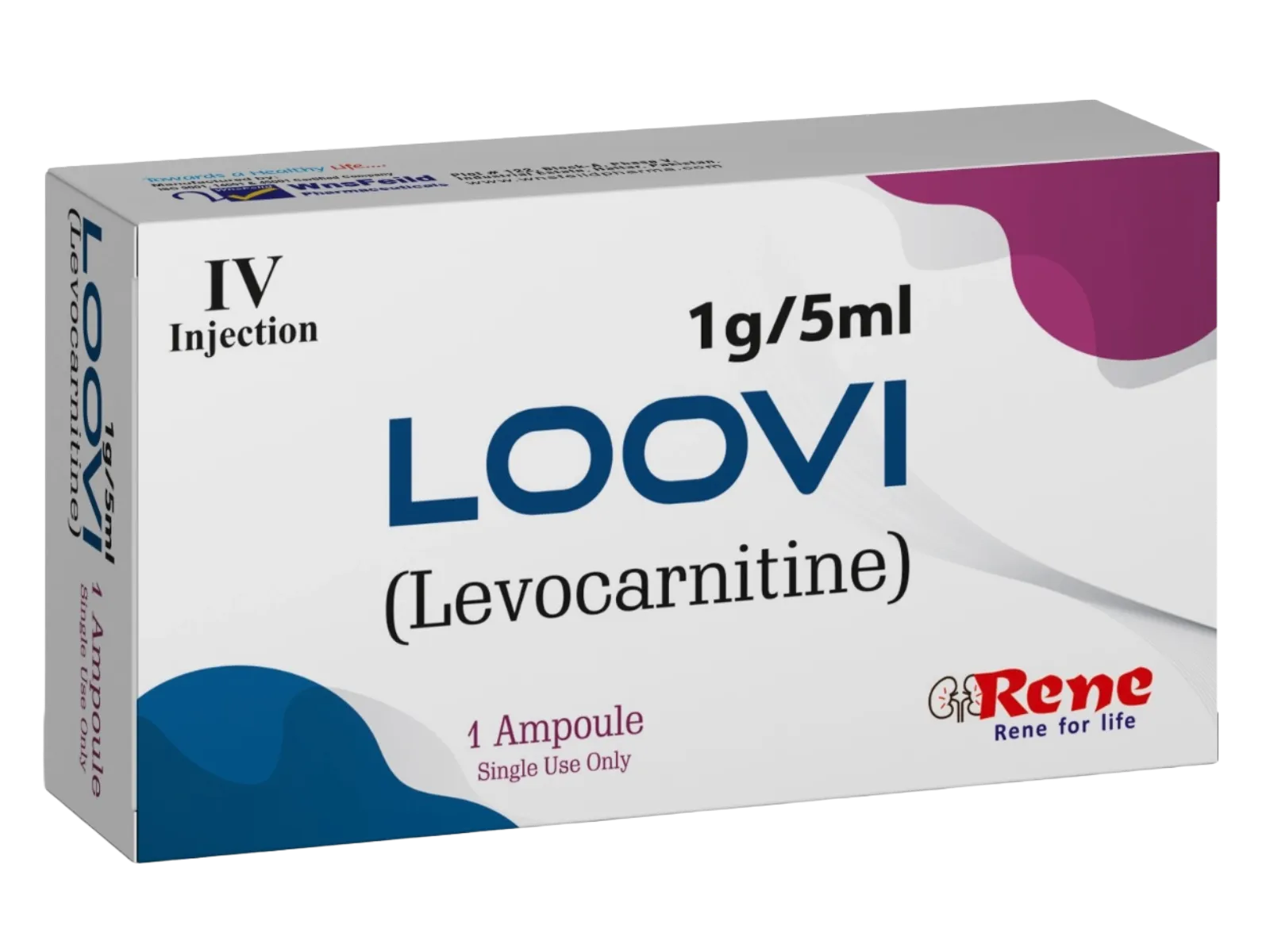
Description
Description
Flavoxate hydrochloride is a synthetic, tertiary amine that acts as a direct-acting smooth muscle relaxant.
Indication
Flavoxate hydrochloride is indicated for the symptomatic relief of various urinary symptoms associated with inflammatory conditions of the bladder and urinary tract. Its main indications include:
- Dysuria (painful urination)
- Urinary urgency
- Urinary frequency
- Nocturia (frequent nighttime urination)
- Suprapubic pain (pain above the pubic bone)
These symptoms may be a result of conditions such as cystitis, prostatitis, urethritis, or urolithiasis (kidney stones). Flavoxate is not an antibiotic and does not treat the underlying cause of the condition; it only helps to relieve the associated symptoms.
Mechanism of Action
Flavoxate hydrochloride’s mechanism of action is based on its direct action on the smooth muscles of the urinary tract. Its antispasmodic effect is believed to be due to two primary mechanisms:
- Direct Myotropic Relaxant Action:
- The primary mechanism is its direct relaxation of the smooth muscle cells of the bladder and urinary tract.
- It is thought to act by inhibiting the enzyme phosphodiesterase, which is responsible for breaking down cyclic adenosine monophosphate (cAMP) and cyclic guanosine monophosphate (cGMP).
- By inhibiting this enzyme, flavoxate leads to an increase in intracellular levels of cAMP and cGMP.
- Elevated cAMP and cGMP levels cause the relaxation of smooth muscles, thereby reducing the spasms and involuntary contractions of the bladder that lead to urgency, frequency, and pain.
- Anticholinergic (Muscarinic) Properties:
- Flavoxate also has a weak anticholinergic or antimuscarinic effect.
It acts as an antagonist at muscarinic acetylcholine receptors.
- Flavoxate also has a weak anticholinergic or antimuscarinic effect.
-
- Acetylcholine is a neurotransmitter that promotes bladder contraction.
- Acetylcholine is a neurotransmitter that promotes bladder contraction.
-
- By weakly blocking these receptors, flavoxate further contributes to the relaxation of the smooth muscles in the bladder, reducing its spasticity and helping to relieve the associated symptoms.
This dual mechanism—a primary direct myotropic effect combined with a weak anticholinergic action—makes flavoxate an effective antispasmodic for the urinary tract.
Reviews
There are no reviews yet.