
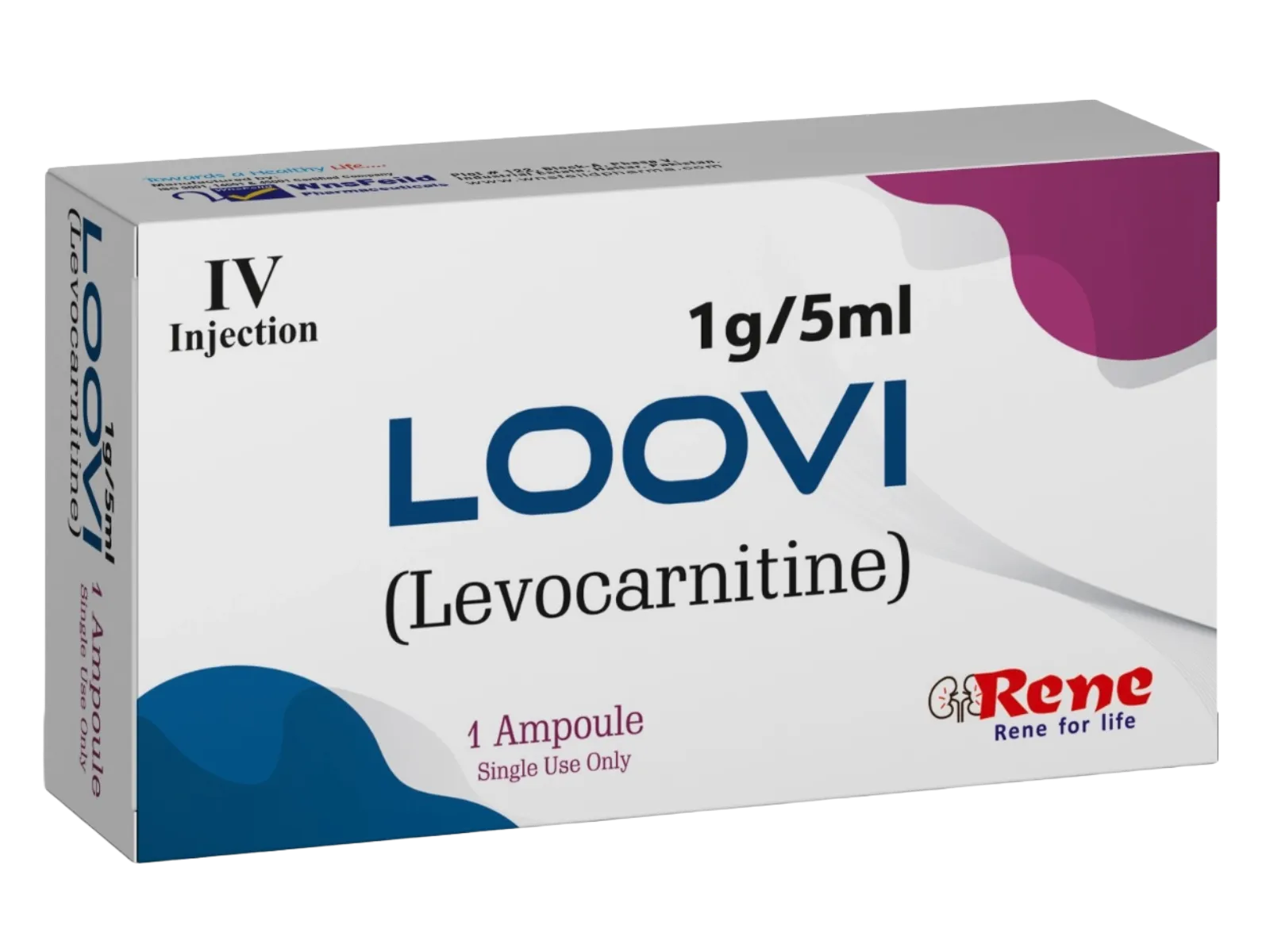
Description
Description
Ibandronic acid is a potent, synthetic bisphosphonate medication.
Indication
Ibandronic acid is indicated primarily for the treatment and prevention of postmenopausal osteoporosis.
- Treatment of Postmenopausal Osteoporosis: It is used to increase bone mineral density and significantly reduce the risk of vertebral fractures in postmenopausal women.
- Prevention of Postmenopausal Osteoporosis: It can be used in postmenopausal women at high risk of developing osteoporosis.
- Hypercalcemia of Malignancy: The intravenous formulation may be used to manage high blood calcium levels caused by certain cancers.
Mechanism of Action
The mechanism of action of Ibandronic acid, like other bisphosphonates, is based on its ability to potently inhibit osteoclasts, the cells responsible for bone resorption (breakdown).
- Binding to Bone Mineral: After absorption, ibandronic acid is rapidly distributed to bone tissue, where it binds to the mineral component, hydroxyapatite, particularly at sites of active bone resorption.
This provides a reservoir of the drug at the exact location where it needs to act. - Osteoclast Uptake: When osteoclasts begin their normal bone-resorbing activity, they ingest the bone mineral along with the bound ibandronic acid.
- Inhibition of Mevalonate Pathway: Once inside the osteoclast, ibandronic acid, a nitrogen-containing bisphosphonate, acts as a potent inhibitor of a key enzyme in the mevalonate pathway, specifically farnesyl pyrophosphate synthase (FPPS).
This pathway is essential for the synthesis of isoprenoid lipids, which are required for the proper function, signaling, and survival of osteoclasts.
- Osteoclast Apoptosis and Reduced Bone Resorption: By disrupting the mevalonate pathway, ibandronic acid effectively impairs the osteoclast’s ability to maintain its structure and function.
This ultimately leads to the induction of apoptosis (programmed cell death) of the osteoclast. The resulting reduction in the number and activity of these bone-resorbing cells causes a net decrease in bone breakdown, allowing the bone-forming cells (osteoblasts) to work more effectively. This leads to an increase in bone mineral density and a reduced risk of fractures.
Reviews
There are no reviews yet.