
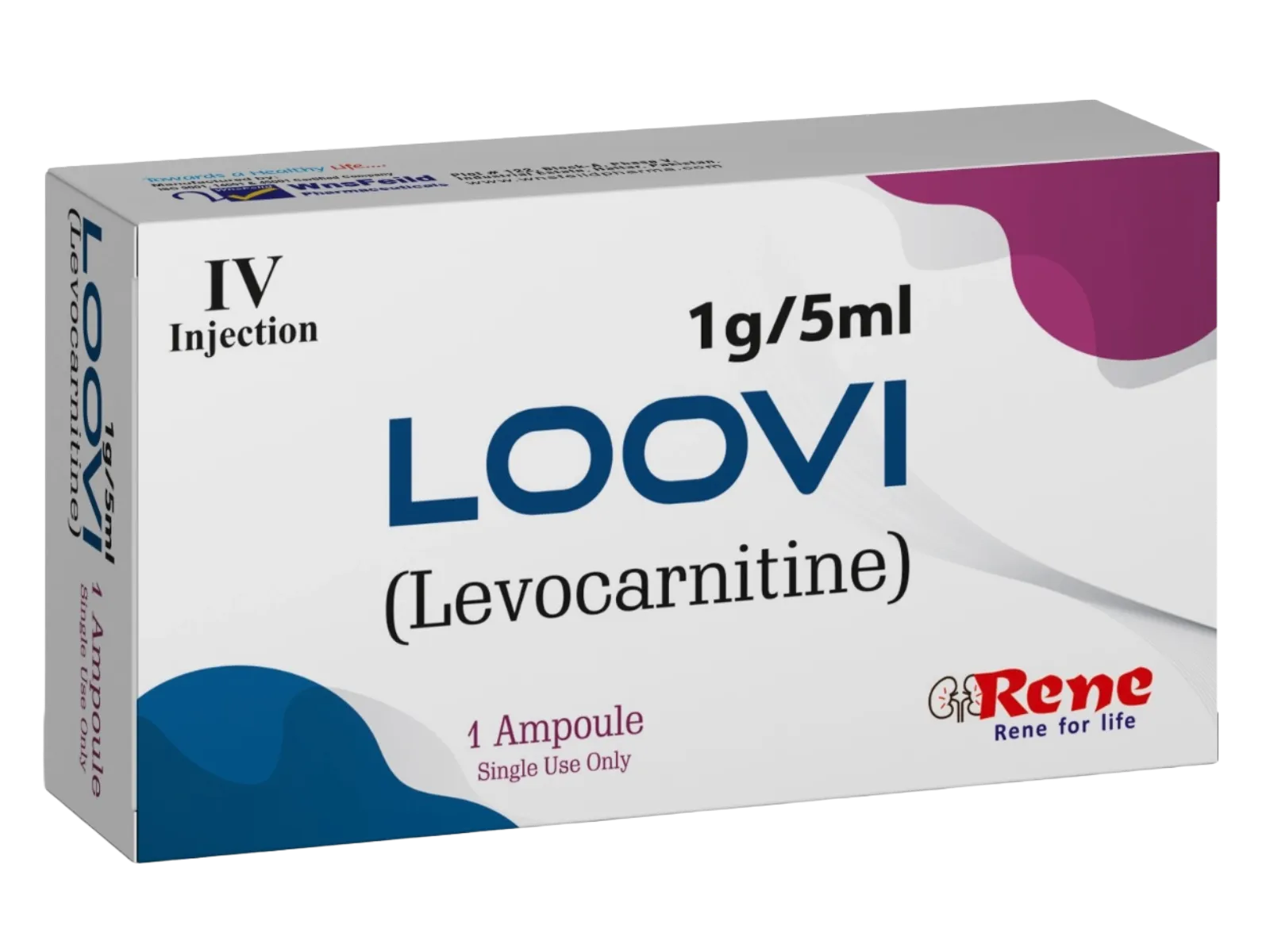
Description
Description
Alfacalcidol (also known as 1-alpha-hydroxycholecalciferol) is a synthetic analog of vitamin D. It is a prodrug that is converted in the body to its active form, calcitriol (1,25-dihydroxyvitamin
Indication
Alfacalcidol is indicated for the treatment of various disorders of calcium and phosphate metabolism, particularly those associated with chronic kidney disease and other conditions where vitamin D metabolism is impaired.
- Renal Osteodystrophy: This is a bone disease that occurs in patients with chronic kidney disease (CKD) due to the kidneys’ inability to produce enough active vitamin D.
- Hypoparathyroidism: It is used to treat both chronic and post-surgical hypoparathyroidism, a condition characterized by low levels of parathyroid hormone and, consequently, low blood calcium levels.
- Hypocalcemia: It can be used to treat low blood calcium levels associated with various conditions.
- Osteoporosis: It may be used as an adjunct therapy in the treatment of osteoporosis, especially in postmenopausal women.
- Malabsorption Syndromes: It is useful for treating vitamin D and calcium deficiencies in patients with malabsorption syndromes who have difficulty absorbing fat-soluble vitamins.
Mechanism of Action
Alfacalcidol’s mechanism of action is based on its conversion to the active hormone, calcitriol, which then regulates calcium and phosphate homeostasis.
- Metabolism to Calcitriol: After oral administration, alfacalcidol undergoes a single metabolic step in the liver.
A liver enzyme, 25-hydroxylase, converts alfacalcidol into its active form, calcitriol (1,25-dihydroxyvitamin D3). This conversion is efficient and does not require a functional kidney, which is a key advantage over other vitamin D forms. - Regulation of Calcium and Phosphate: Calcitriol is the most potent and active form of vitamin D. It acts on several target organs to increase the levels of calcium and phosphate in the blood:
-
- Intestines: Calcitriol binds to receptors in the small intestine, promoting the absorption of dietary calcium and phosphate.
This is the primary mechanism for increasing blood calcium levels. - Bones: Calcitriol works with parathyroid hormone (PTH) to mobilize calcium and phosphate from bone tissue, a process known as bone resorption. This contributes to raising blood calcium levels when dietary intake is insufficient.
- Intestines: Calcitriol binds to receptors in the small intestine, promoting the absorption of dietary calcium and phosphate.
-
- Kidneys: Calcitriol acts on the kidneys to increase the reabsorption of calcium and phosphate from the urine back into the bloodstream, thus conserving these minerals.
- Suppression of Parathyroid Hormone (PTH): In conditions like renal osteodystrophy, high levels of PTH contribute to bone disease.
Calcitriol helps to suppress the production and secretion of PTH, which protects the bones from excessive breakdown.
By providing a reliable source of active vitamin D, alfacalcidol helps to restore normal calcium and phosphate balance, particularly in patients with kidney disease who cannot activate vitamin D themselves.
Reviews
There are no reviews yet.