
Description
Description
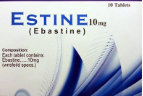
Ebastine is a second-generation, non-sedating antihistamine that belongs to the piperidine class.
Indication
Ebastine is primarily indicated for the symptomatic treatment of allergic conditions in adults and children over the age of 12.
- Seasonal Allergic Rhinitis (Hay Fever): It provides relief from symptoms such as sneezing, runny nose, nasal itching, and itchy or watery eyes.
- Perennial Allergic Rhinitis: It is also used for the long-term management of year-round allergies.
- Chronic Idiopathic Urticaria (Hives): It is effective in alleviating the itching and reducing the number and size of hives associated with this skin condition.
Mechanism of Action
Ebastine’s mechanism of action is based on its ability to block the effects of histamine by acting as a selective antagonist of peripheral H1 receptors.
- Metabolism to Active Form: After oral administration, ebastine undergoes extensive first-pass metabolism in the liver via the cytochrome P450 3A4 (CYP3A4) enzyme system.
This process converts the parent drug, ebastine, into its active metabolite, carebastine. Carebastine is the primary compound responsible for the drug’s therapeutic effects and has a long half-life, which allows for once-daily dosing.
- H1 Receptor Antagonism: Carebastine is a potent and selective peripheral histamine H1 receptor antagonist.
During an allergic reaction, the body releases histamine, which binds to H1 receptors on cells in the skin, eyes, and respiratory tract, triggering symptoms like itching, redness, swelling, and increased mucus production.
- Symptom Relief: By binding to the H1 receptors, carebastine prevents histamine from activating them.
This action blocks the cascade of events that would otherwise lead to allergic symptoms. The selectivity of ebastine (and its metabolite, carebastine) for peripheral H1 receptors, combined with its minimal ability to cross the blood-brain barrier, ensures that it provides effective allergy relief with a low incidence of central nervous system side effects like sedation.
- Anti-inflammatory Effects (Secondary): Some studies also suggest that ebastine may have additional anti-inflammatory effects beyond its antihistamine action by inhibiting the release of certain pro-inflammatory mediators from mast cells.
Reviews
There are no reviews yet.