
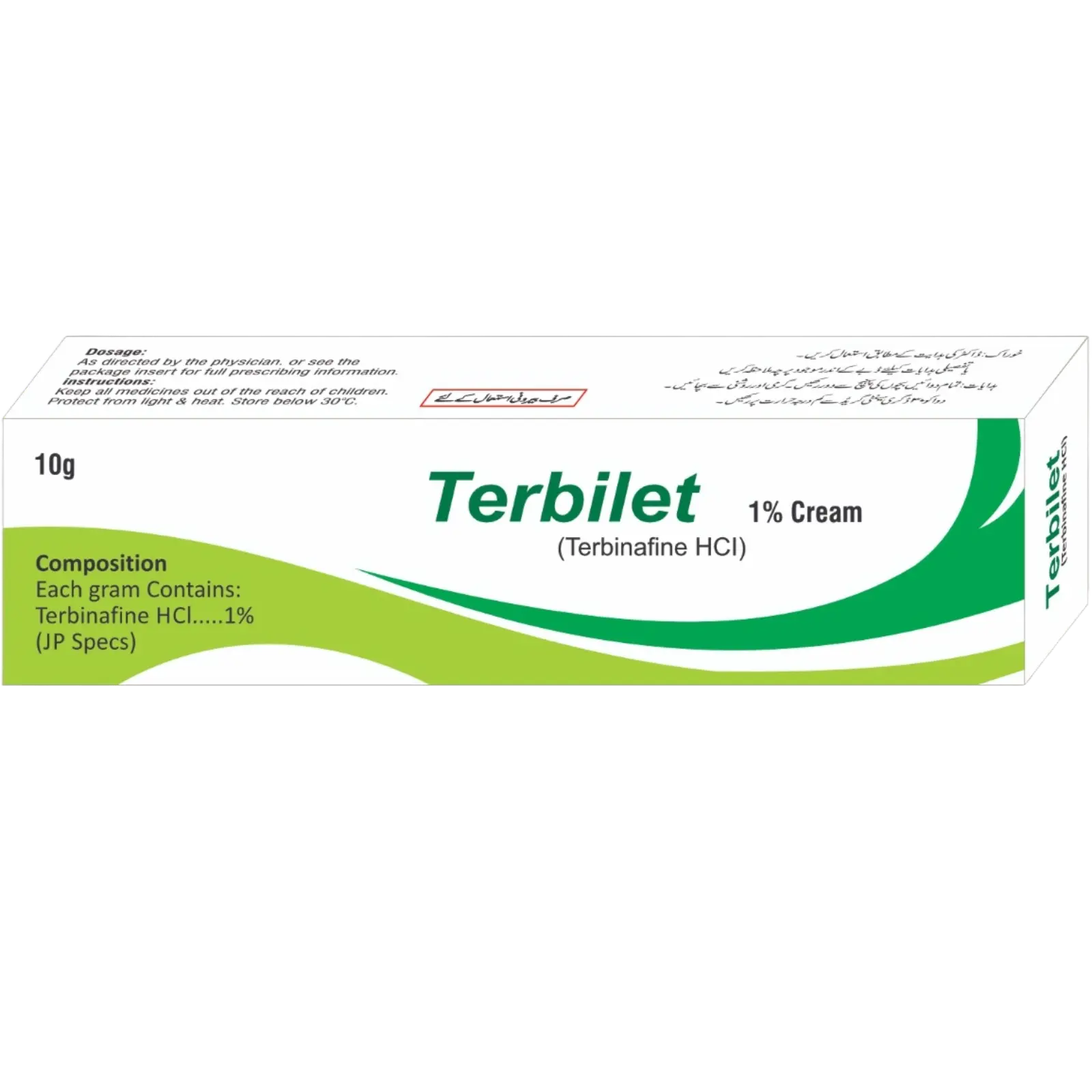
Description
Description
Terbinafine hydrochloride is a synthetic allylamine antifungal medication.
Indication
Terbinafine HCl is indicated for the treatment of various fungal infections caused by dermatophytes (a type of fungus that lives on the skin).
- Oral Terbinafine: This is primarily used for deep-seated or extensive infections, especially those of the nails and scalp.
-
- Onychomycosis (fungal nail infection): Terbinafine is considered one of the most effective oral treatments for toenail and fingernail fungal infections caused by dermatophytes.
- Onychomycosis (fungal nail infection): Terbinafine is considered one of the most effective oral treatments for toenail and fingernail fungal infections caused by dermatophytes.
-
- Tinea Capitis (scalp ringworm): It is a common and effective treatment for this condition, particularly when caused by Trichophyton species.
- Tinea Capitis (scalp ringworm): It is a common and effective treatment for this condition, particularly when caused by Trichophyton species.
-
- Severe Tinea Infections: It may be used for severe cases of tinea corporis (ringworm), tinea cruris (jock itch), and tinea pedis (athlete’s foot) that have not responded to topical therapy.
- Topical Terbinafine: This is used for superficial fungal infections of the skin, such as athlete’s foot, jock itch, and ringworm.
Mechanism of Action
Terbinafine’s mechanism of action is primarily fungicidal (it kills the fungus) and is different from the azole antifungals.
- Inhibition of Squalene Epoxidase: Terbinafine is a non-competitive inhibitor of the fungal enzyme squalene epoxidase.
This enzyme is crucial for converting squalene to squalene epoxide, an early step in the biosynthesis of ergosterol.
- Dual Effect: The inhibition of squalene epoxidase leads to two simultaneous effects that are lethal to the fungus:
-
- Ergosterol Deficiency: By blocking the synthesis pathway, terbinafine causes a severe depletion of ergosterol, which is essential for the structural integrity and function of the fungal cell membrane.
- Ergosterol Deficiency: By blocking the synthesis pathway, terbinafine causes a severe depletion of ergosterol, which is essential for the structural integrity and function of the fungal cell membrane.
-
- Toxic Squalene Accumulation: The inhibition of the enzyme also causes a toxic accumulation of squalene inside the fungal cell.
The buildup of squalene is believed to be directly toxic to the cell, further disrupting membrane function and leading to cell death.
- Toxic Squalene Accumulation: The inhibition of the enzyme also causes a toxic accumulation of squalene inside the fungal cell.
This dual mechanism makes terbinafine a highly effective antifungal agent, particularly against dermatophytes.
Reviews
There are no reviews yet.