
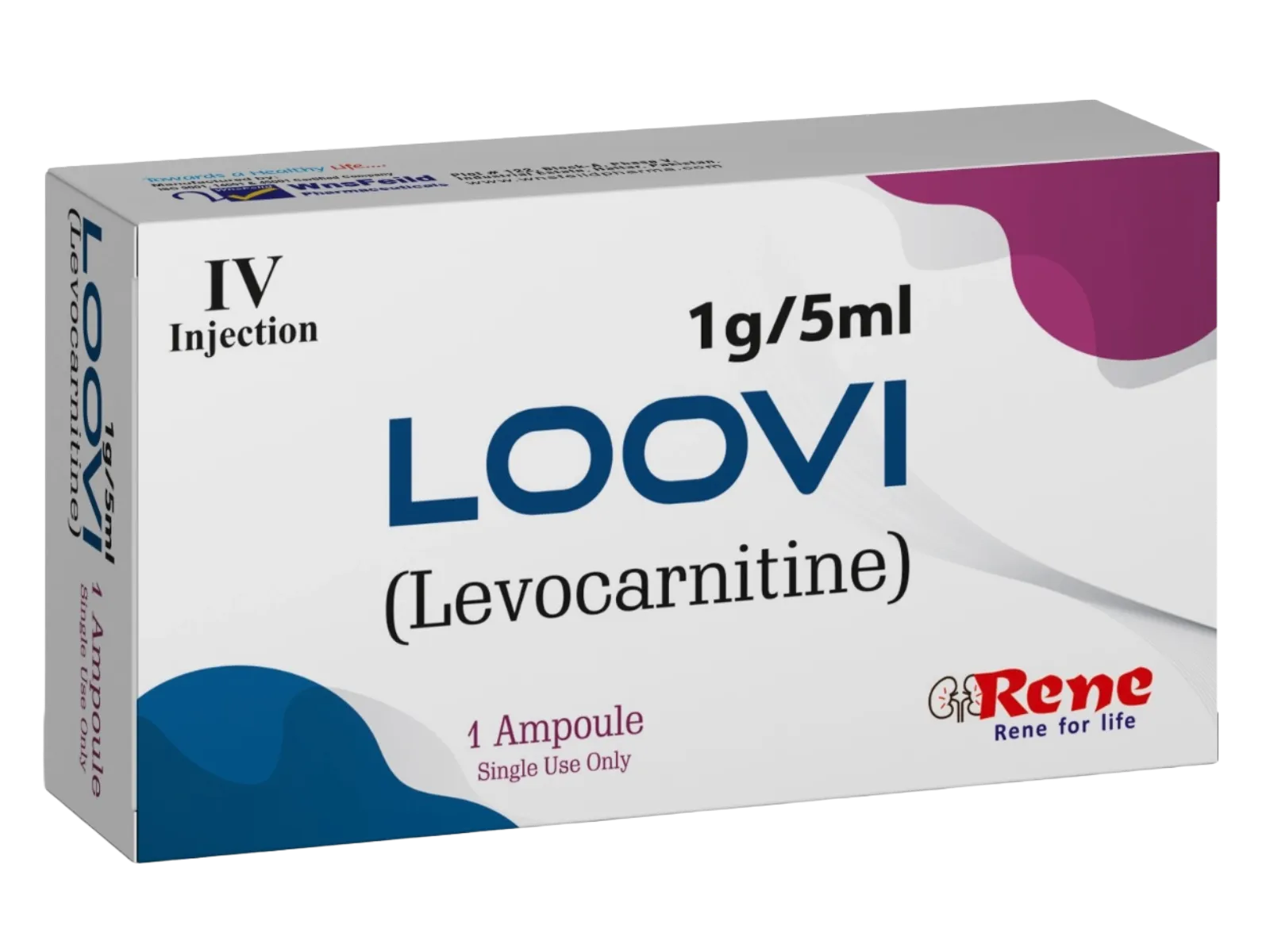
Description
Description
Clotrimazole is a synthetic broad-spectrum antifungal medication belonging to the imidazole class of azole drugs.
Indication
Clotrimazole is a widely used over-the-counter and prescription medication for treating superficial fungal infections caused by yeasts and dermatophytes.
- Vaginal Yeast Infections: It is commonly used to treat vulvovaginal candidiasis (yeast infections).
- Oral Thrush: It is used in lozenge or troche form to treat oropharyngeal candidiasis.
- Skin Infections: It is indicated for a range of fungal skin infections, including:
- Tinea pedis (athlete’s foot)
- Tinea pedis (athlete’s foot)
-
- Tinea cruris (jock itch)
- Tinea cruris (jock itch)
-
- Tinea corporis (ringworm)
- Cutaneous candidiasis
Mechanism of Action
Clotrimazole, like other azole antifungals, works by inhibiting the synthesis of ergosterol, a vital component of the fungal cell membrane.
- Inhibition of 14-α-demethylase: Clotrimazole inhibits the fungal cytochrome P450-dependent enzyme called lanosterol 14-alpha-demethylase. This enzyme is essential for converting lanosterol to ergosterol.
- Disruption of Cell Membrane Integrity: By blocking this key enzymatic step, clotrimazole prevents the synthesis of ergosterol, which is crucial for the structural integrity and function of the fungal cell membrane.
This leads to the accumulation of toxic intermediate sterols in the cell membrane. - Increased Permeability and Cell Death: The accumulation of defective sterols and the lack of ergosterol cause the fungal cell membrane to become more permeable and “leaky.” This leads to the disruption of essential membrane functions and the loss of intracellular components, ultimately causing the inhibition of fungal growth and, at higher concentrations, cell death.
The fungistatic and fungicidal properties of clotrimazole are due to its selective action on fungal cytochrome P450 enzymes, with little to no effect on human cytochrome P450 enzymes. This selectivity is the basis for its therapeutic effect with minimal toxicity to the host.
Reviews
There are no reviews yet.