
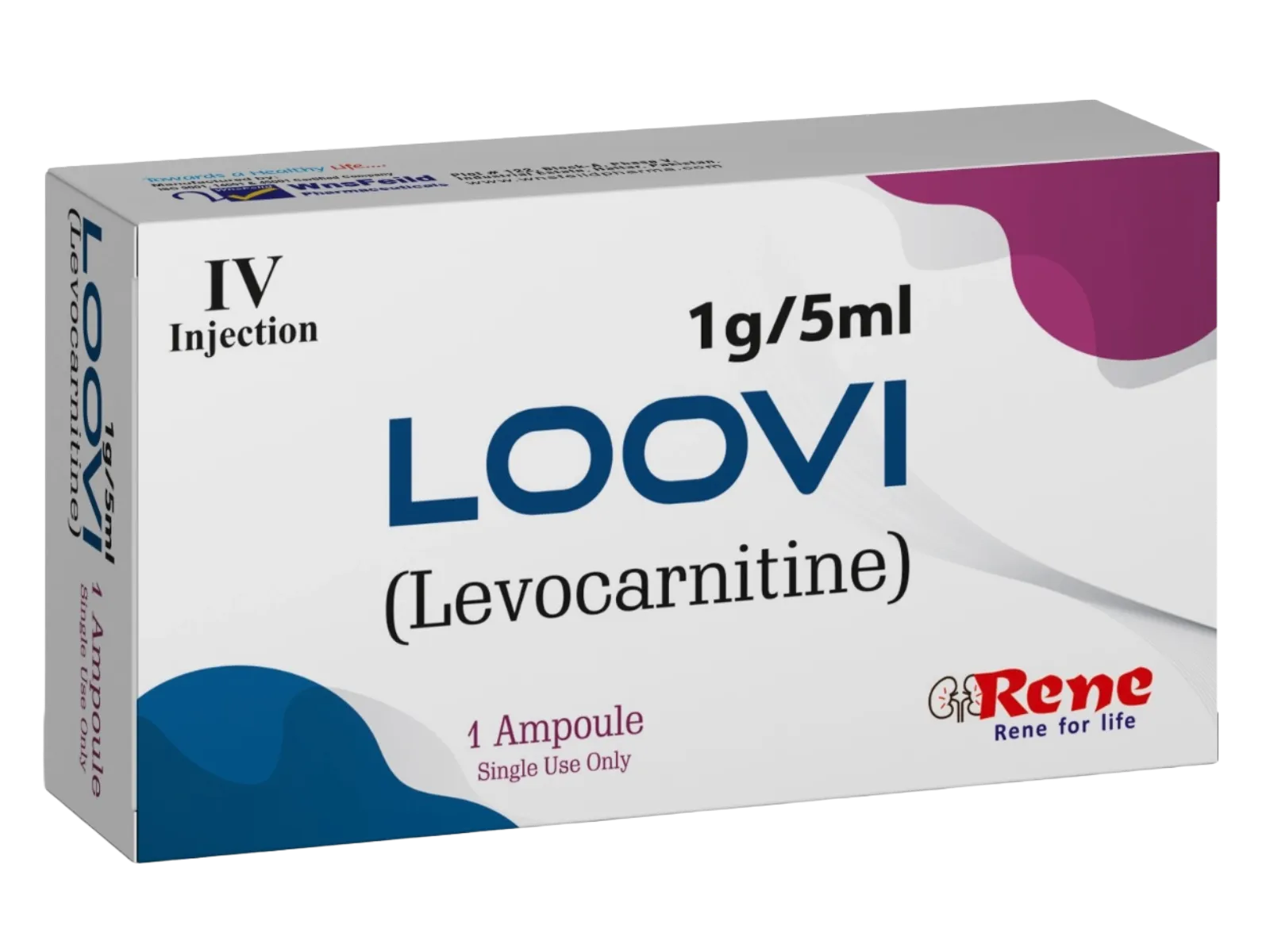
Description
Description
Itraconazole is a synthetic broad-spectrum triazole antifungal medication.
Indication
Itraconazole is indicated for the treatment of a wide range of fungal infections, including systemic mycoses and superficial mycoses.
- Systemic Fungal Infections: It is a drug of choice for treating certain serious systemic mycoses, such as:
- Blastomycosis
- Blastomycosis
-
- Histoplasmosis
- Histoplasmosis
-
- Aspergillosis (in patients who are intolerant of or refractory to amphotericin B)
- Aspergillosis (in patients who are intolerant of or refractory to amphotericin B)
- Superficial Fungal Infections: It is used to treat infections of the skin, nails, and mucous membranes, such as:
- Onychomycosis (fungal nail infections)
- Onychomycosis (fungal nail infections)
-
- Candidiasis (e.g., oropharyngeal and esophageal candidiasis)
- Candidiasis (e.g., oropharyngeal and esophageal candidiasis)
- Prophylaxis: It may be used to prevent fungal infections in immunocompromised patients, such as those with HIV/AIDS or those undergoing chemotherapy or organ transplantation.
Mechanism of Action
Itraconazole’s mechanism of action is primarily fungistatic (it slows fungal growth) and, at higher concentrations, fungicidal (it kills the fungus).
- Inhibition of 14-α-demethylase: Itraconazole inhibits the fungal cytochrome P450-dependent enzyme called lanosterol 14-alpha-demethylase.
This enzyme is crucial for converting lanosterol to ergosterol.
- Disruption of Cell Membrane Integrity: By blocking this key step, itraconazole prevents the synthesis of ergosterol.
This leads to the accumulation of toxic intermediate sterols (such as 14-alpha-methyl sterols) in the fungal cell membrane.
- Increased Permeability and Cell Death: The defective cell membrane has altered permeability and function.
It becomes “leaky,” leading to the leakage of essential cellular components. This disruption of membrane integrity and function ultimately leads to the inhibition of fungal growth and, at higher concentrations, cell death.
Itraconazole’s antifungal activity is based on its high affinity for fungal cytochrome P450 enzymes, which is much greater than its affinity for the equivalent mammalian enzymes.
Reviews
There are no reviews yet.