
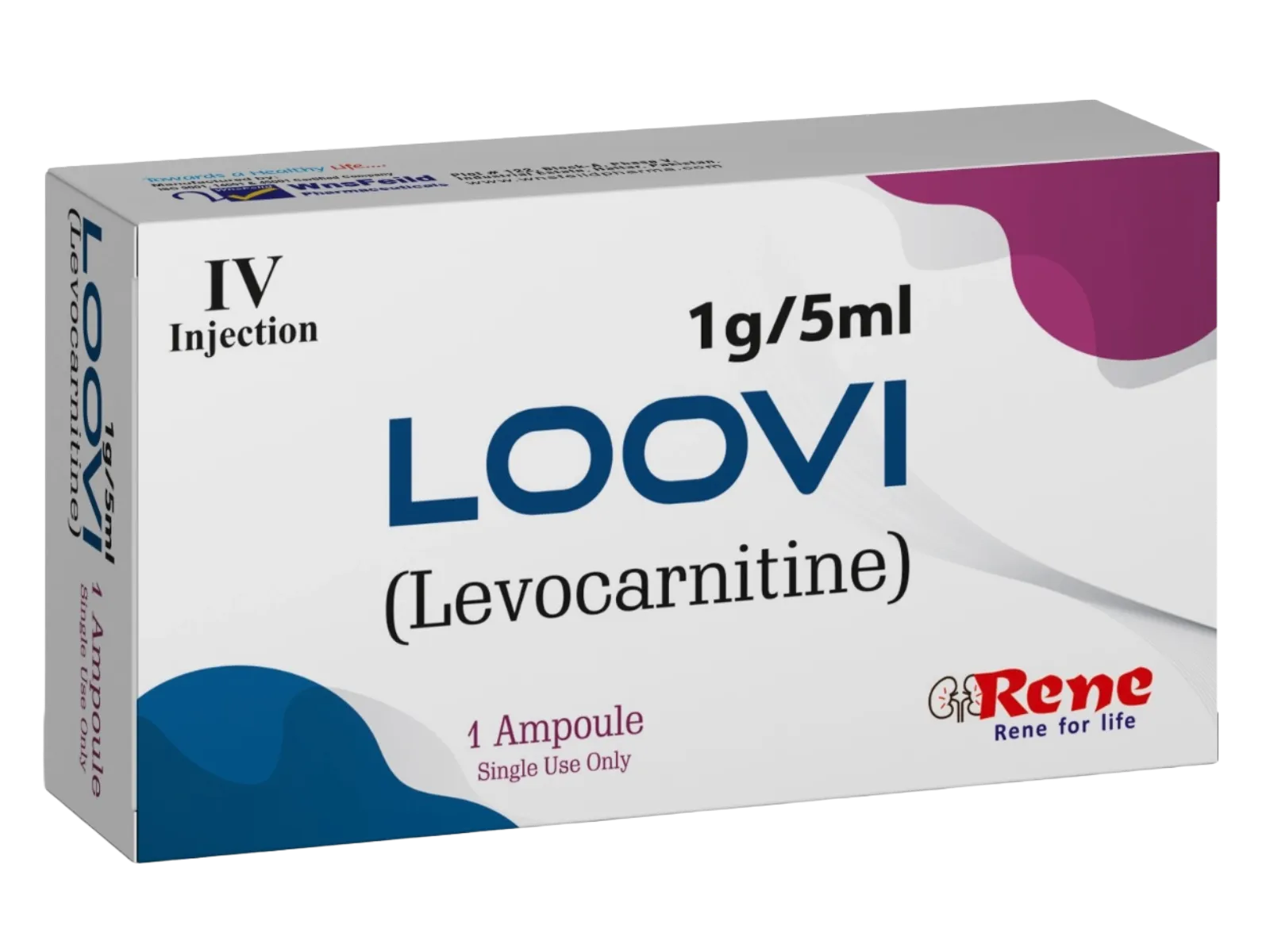
Description
Description
Piroxicam is a potent nonsteroidal anti-inflammatory drug (NSAID) of the oxicam class.
Indications
Due to its long half-life, piroxicam is primarily indicated for the long-term management of chronic inflammatory diseases. Its key indications include:
- Rheumatoid Arthritis: For the symptomatic relief of signs and symptoms of rheumatoid arthritis.
- Osteoarthritis: For the symptomatic treatment of osteoarthritis.
- Ankylosing Spondylitis: For the symptomatic treatment of this chronic inflammatory disease of the spine.
- Other Inflammatory Conditions: It is also used for the symptomatic treatment of other painful and inflammatory musculoskeletal conditions.
Mechanism of Action
Piroxicam’s primary mechanism of action is based on its ability to inhibit the synthesis of prostaglandins, which are key mediators of inflammation, pain, and fever.
- Inhibition of Cyclooxygenase (COX) Enzymes: Piroxicam works by non-selectively inhibiting the activity of the cyclooxygenase-1 (COX-1) and cyclooxygenase-2 (COX-2) enzymes.
These enzymes are responsible for converting arachidonic acid into prostaglandins.
- Blocking Prostaglandin Synthesis:
- The inhibition of COX-2 is responsible for the drug’s primary therapeutic effects: reducing the production of prostaglandins that cause inflammation, pain, and fever.
- The inhibition of COX-1 is responsible for some of the common side effects of NSAIDs, such as gastrointestinal irritation, ulcer formation, and a potential for bleeding.
- Other Actions: In addition to its COX inhibition, piroxicam also has other anti-inflammatory properties. It has been shown to inhibit neutrophil function, including their aggregation and the release of their lysosomal enzymes.
It also inhibits the synthesis of thromboxanes, which are involved in blood clotting.
In summary, piroxicam is a non-selective NSAID that provides its therapeutic effects by blocking the COX-1 and COX-2 enzymes.
Reviews
There are no reviews yet.