
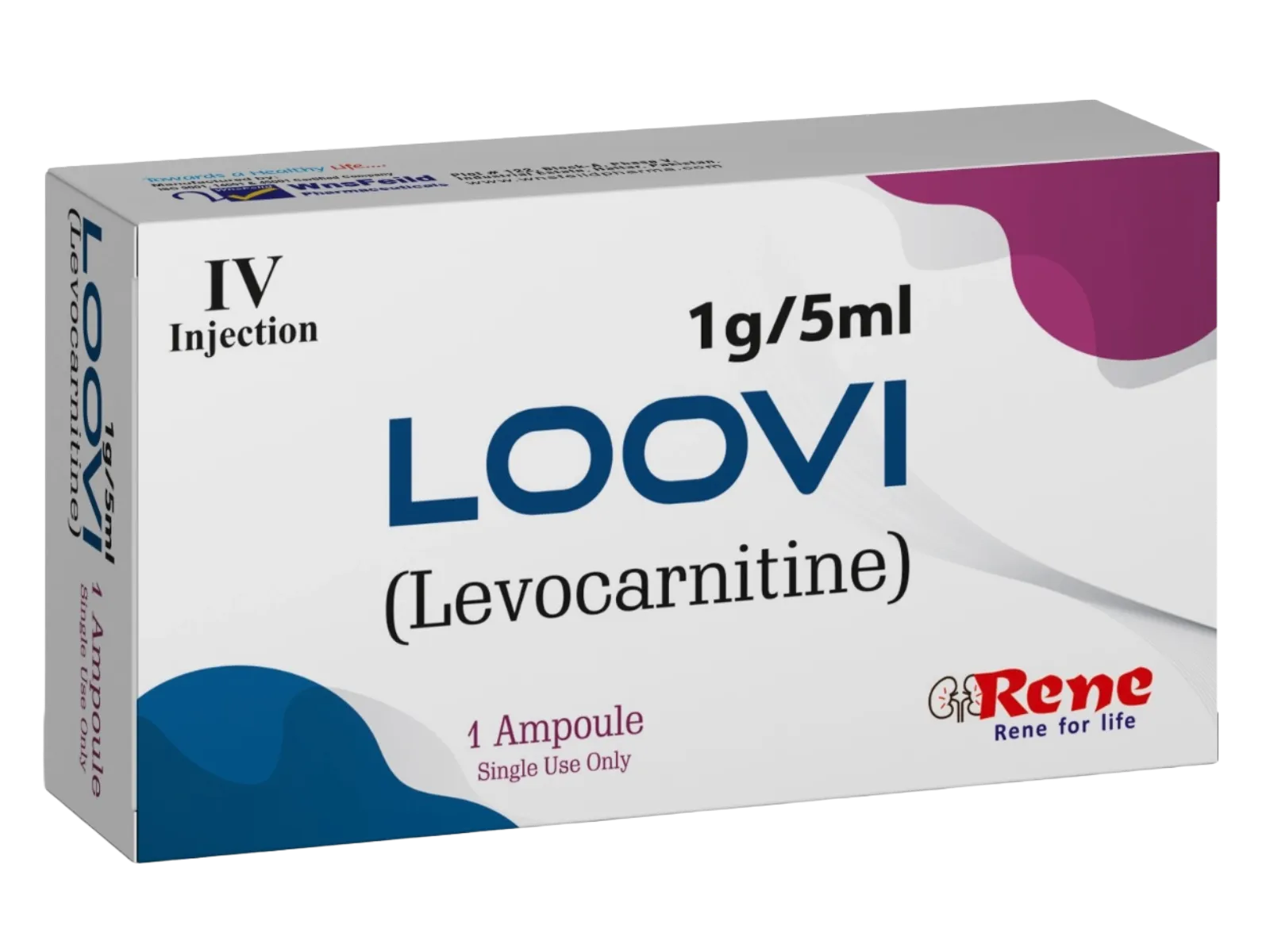
Description
Description
Diclofenac sodium is a potent nonsteroidal anti-inflammatory drug (NSAID).
Indications
Diclofenac sodium is indicated for the treatment of a variety of inflammatory and painful conditions.
- Rheumatic Diseases: It is commonly used for the symptomatic treatment of inflammatory joint diseases, such as rheumatoid arthritis, osteoarthritis, and ankylosing spondylitis.
- Musculoskeletal Pain: It is effective in treating pain from sprains, strains, fractures, and other soft tissue injuries.
- Postoperative and Post-traumatic Pain: It is used for the management of pain and inflammation following surgery or injury.
- Dysmenorrhea: It is effective in relieving menstrual cramps and pain.
- Migraine Headaches: It can be used for the acute treatment of migraine attacks.
Mechanism of Action
Diclofenac sodium’s mechanism of action is based on its ability to inhibit the synthesis of prostaglandins, which are key mediators of inflammation, pain, and fever.
- Inhibition of Cyclooxygenase (COX) Enzymes: Diclofenac works by inhibiting the activity of two key enzymes: cyclooxygenase-1 (COX-1) and cyclooxygenase-2 (COX-2). These enzymes are responsible for converting arachidonic acid into prostaglandins.
- Role of COX-1 and COX-2:
- COX-1 is an enzyme that is expressed constitutively (all the time) and is involved in normal physiological functions, such as protecting the stomach lining and promoting platelet aggregation.
- COX-2 is an inducible enzyme that is primarily expressed at the sites of inflammation in response to injury or infection.
It is responsible for the production of prostaglandins that cause pain, swelling, and fever.
- Blocking Prostaglandin Synthesis: By inhibiting both COX-1 and COX-2, diclofenac significantly reduces the production of prostaglandins.
-
- The inhibition of COX-2 accounts for the drug’s primary therapeutic effects: reducing inflammation, pain, and fever.
- The inhibition of COX-1 is responsible for some of the common side effects of NSAIDs, such as gastrointestinal irritation, ulcer formation, and a potential for bleeding.
In summary, diclofenac sodium is a non-selective NSAID that provides its analgesic and anti-inflammatory effects by blocking the COX-1 and COX-2 enzymes, thereby preventing the synthesis of prostaglandins that mediate pain and inflammation.
Reviews
There are no reviews yet.