
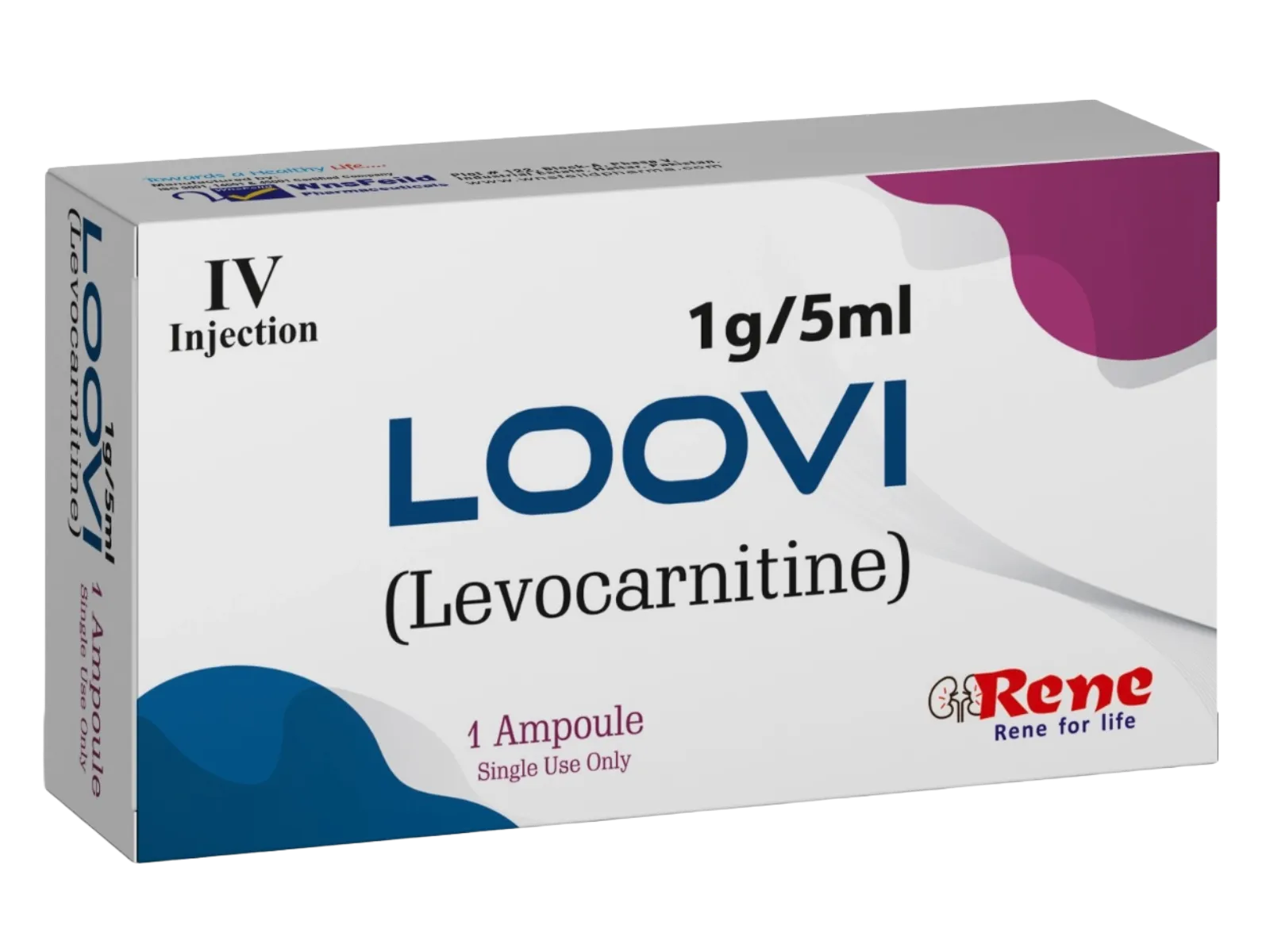
Description
Description
Esomeprazole is a proton pump inhibitor (PPI) that works by reducing the amount of acid produced in the stomach.
Indications
Esomeprazole is used to treat a range of conditions caused by excessive stomach acid.
- Gastroesophageal Reflux Disease (GERD): It is used for the treatment of GERD, a chronic condition where stomach acid flows back into the esophagus, causing heartburn and potential damage.
- Erosive Esophagitis: A more severe form of GERD where stomach acid has caused damage and inflammation to the lining of the esophagus.
Esomeprazole is used for both the short-term healing and long-term maintenance of this condition.
- Zollinger-Ellison Syndrome: A rare condition where a tumor causes the stomach to produce an excessive amount of acid.
- Stomach and Duodenal Ulcers: Used to treat and prevent gastric and duodenal ulcers, especially those caused by an infection with the bacterium Helicobacter pylori (H. pylori) or by the long-term use of nonsteroidal anti-inflammatory drugs (NSAIDs).
When used for H. pylori, it is typically part of a multi-drug regimen with antibiotics.
Mechanism of Action
Esomeprazole’s mechanism of action is based on its ability to inhibit the enzyme responsible for the final step of gastric acid production.
- Targeting the Proton Pump: Esomeprazole is a prodrug, meaning it is inactive until it is activated. It is absorbed into the bloodstream and travels to the parietal cells in the stomach, which are responsible for secreting acid.
In the highly acidic environment of these cells, esomeprazole is converted into its active form.
- Irreversible Binding: The activated form of esomeprazole then irreversibly binds to and inactivates the H+/K+-ATPase enzyme, also known as the “proton pump.”
- Blocking Acid Secretion: The proton pump is the final step in the process of gastric acid secretion, pumping hydrogen ions (H+) into the stomach.
By irreversibly blocking this pump, esomeprazole prevents both basal (resting) and stimulated acid secretion, regardless of the stimulus.
Because this binding is irreversible, the drug’s effect lasts much longer than its half-life in the bloodstream.
Reviews
There are no reviews yet.