
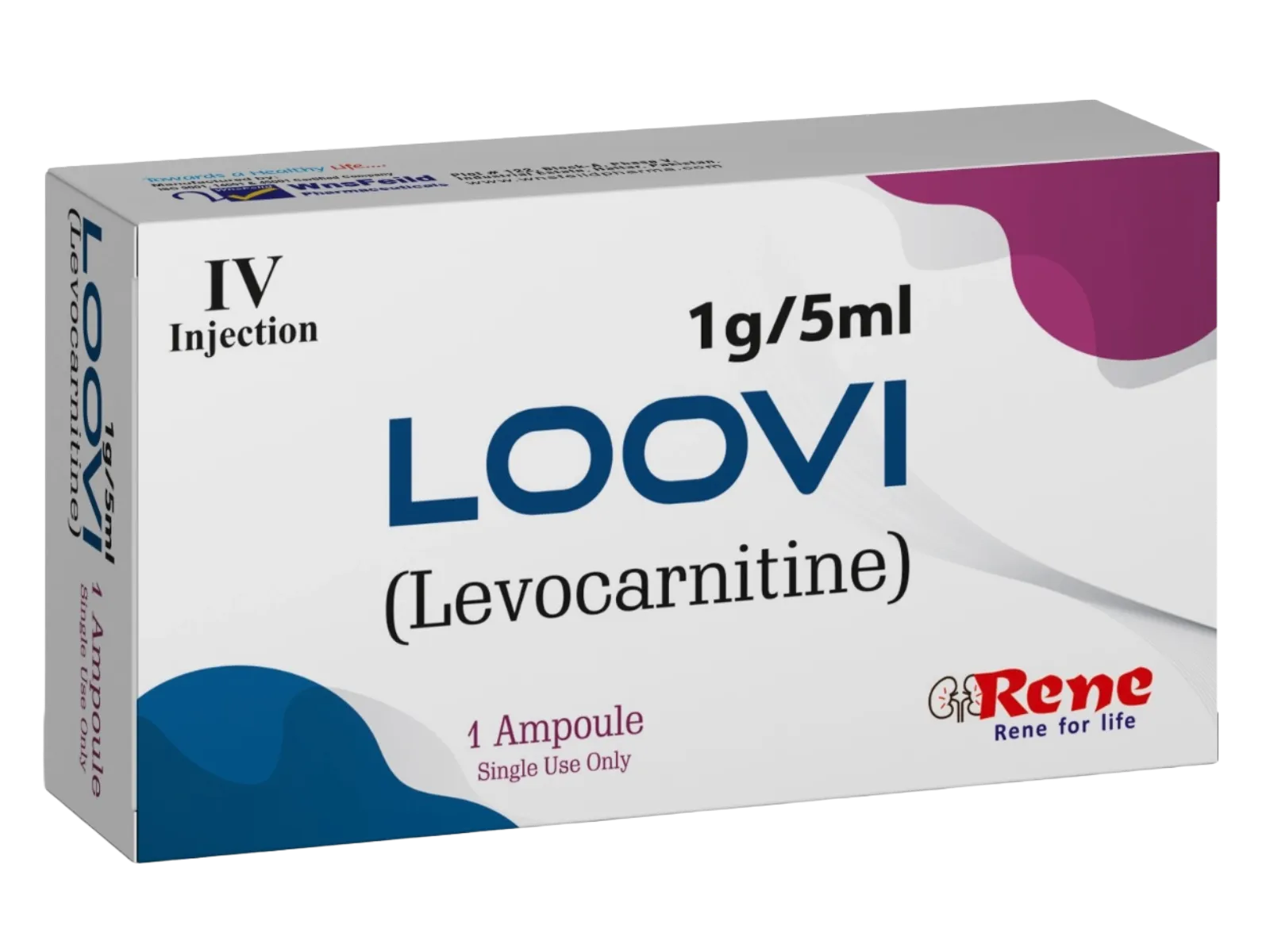
Description
Description
Azithromycin Dihydrate is a salt form of the active drug azithromycin.
Indications
Azithromycin dihydrate is used to treat a broad range of bacterial infections.
- Respiratory tract infections: Including community-acquired pneumonia, bronchitis, sinusitis, tonsillitis, and pharyngitis.
- Sexually transmitted infections (STIs): A single dose is highly effective for uncomplicated urethritis and cervicitis caused by Chlamydia trachomatis. It is also used for chancroid and sometimes for uncomplicated gonorrhea.
- Skin and soft tissue infections: Used for mild to moderate infections.
- Ear infections: A common treatment for acute otitis media.
- Prevention and treatment of Mycobacterium avium complex (MAC):
Used in patients with advanced HIV/AIDS for both the treatment and prophylaxis of this type of lung infection.
- Other uses: Can also be used for conditions like traveler’s diarrhea and pertussis (whooping cough).
Mechanism of Action
The mechanism of action for azithromycin dihydrate is identical to that of azithromycin. It is a bactericidal agent that works by inhibiting bacterial protein synthesis.
- Binding to the 50S Ribosomal Subunit: Azithromycin dihydrate binds reversibly to the 23S ribosomal RNA (rRNA) of the 50S ribosomal subunit.
- Inhibition of Translocation: By binding to this site, the drug blocks the process of “translocation,” which is the movement of the ribosome along the messenger RNA (mRNA) molecule.
This movement is essential for adding new amino acids to the growing protein chain. - Cessation of Protein Synthesis: By preventing translocation, azithromycin dihydrate halts the elongation of the peptide chain.
Without the ability to synthesize essential proteins, the bacteria cannot grow, reproduce, or perform basic functions, leading to their death or preventing their proliferation.
The drug’s effectiveness is further enhanced by its unique pharmacokinetic properties. It has a high affinity for and is actively absorbed by certain cells, particularly white blood cells like phagocytes.
Reviews
There are no reviews yet.