
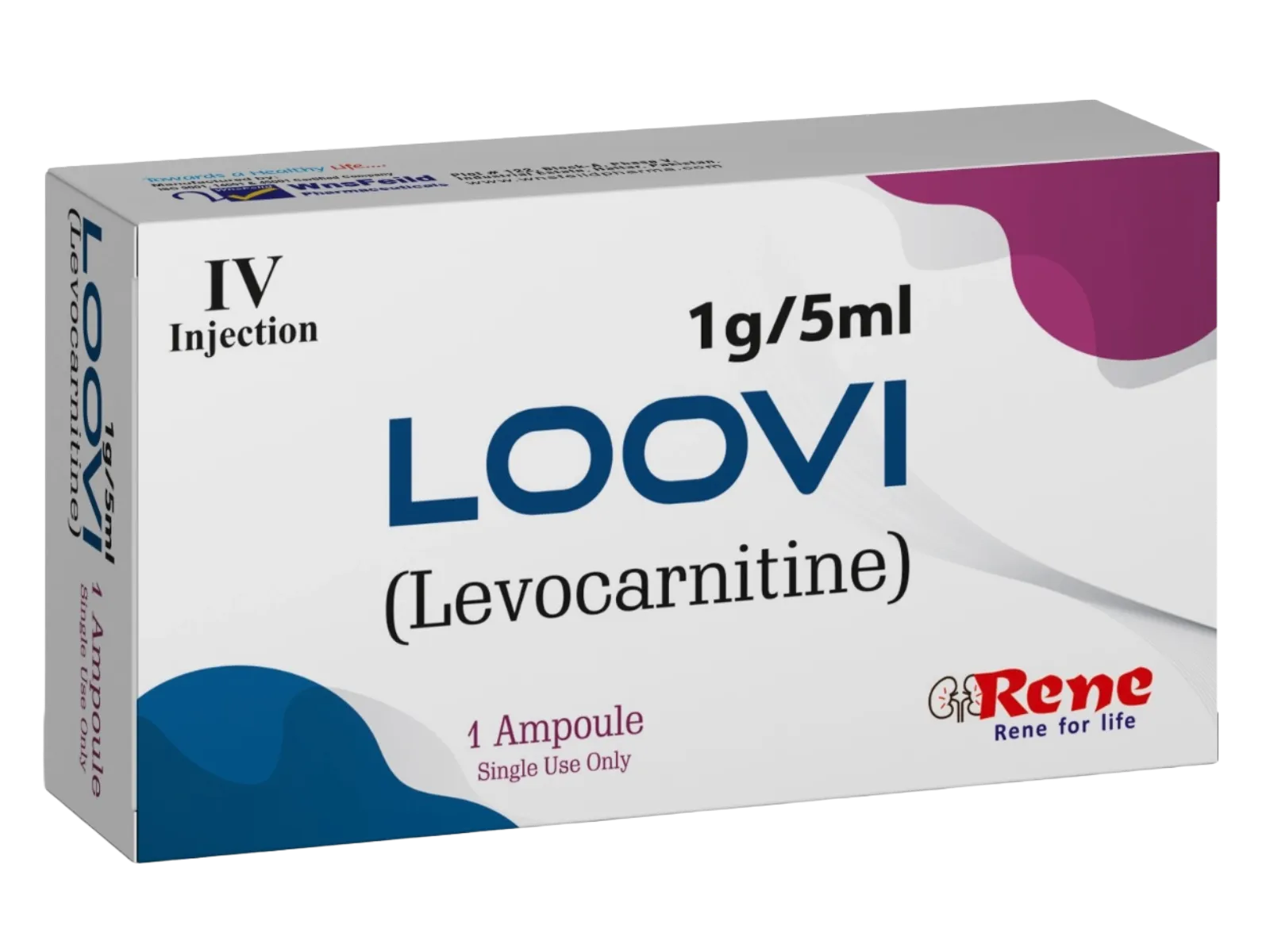
Description
Description
Clindamycin, typically formulated as Clindamycin Hydrochloride, is an antibiotic belonging to the lincosamide class.
Indications
Clindamycin is a versatile antibiotic used to treat a wide range of bacterial infections.
- Anaerobic Infections: It is particularly effective against anaerobic bacteria, making it a key treatment for infections in areas with low oxygen levels, such as deep-seated abscesses, intra-abdominal infections, and certain gynecological infections.
- Skin and Soft Tissue Infections: It is used for conditions like cellulitis, abscesses, and infected wounds, including those caused by susceptible strains of methicillin-resistant Staphylococcus aureus (MRSA).
- Dental Infections: It is a common choice for dental infections like abscesses and periodontitis.
- Respiratory Infections: It is used to treat infections such as pneumonia.
- Bone and Joint Infections: It can be used for infections like osteomyelitis.
- Other Infections: It can also be used for pelvic inflammatory disease and, in combination with other drugs, for parasitic infections like malaria and toxoplasmosis.
Mechanism of Action
Clindamycin works by inhibiting bacterial protein synthesis, a process that is essential for bacterial growth and survival.
- Ribosome Binding: Clindamycin works by binding to the 50S ribosomal subunit of the bacterial ribosome. The ribosome is the cellular machinery responsible for translating messenger RNA (mRNA) into a polypeptide chain (protein).
- Inhibition of Peptide Bond Formation: By binding to the 50S subunit, clindamycin prevents the ribosome from elongating the growing protein chain.
It does this by inhibiting ribosomal translocation, a step where the ribosome moves along the mRNA molecule. It also interferes with peptide bond formation.
- Resulting Effect: This inhibition of protein synthesis halts the growth and reproduction of bacteria.
The drug is primarily bacteriostatic (it inhibits bacterial growth), but it can be bactericidal (it kills bacteria) at higher concentrations or against very sensitive organisms. A unique feature of clindamycin is its ability to inhibit the production of bacterial toxins, which is why it is used in conditions like toxic shock syndrome.
The difference between Clindamycin Hydrochloride and Clindamycin Phosphate is the salt form. Clindamycin Phosphate is typically used for IV injections or topical applications, while the hydrochloride salt is used for oral capsules. They both contain the same active drug, clindamycin, and therefore have the same mechanism of action.
Reviews
There are no reviews yet.