
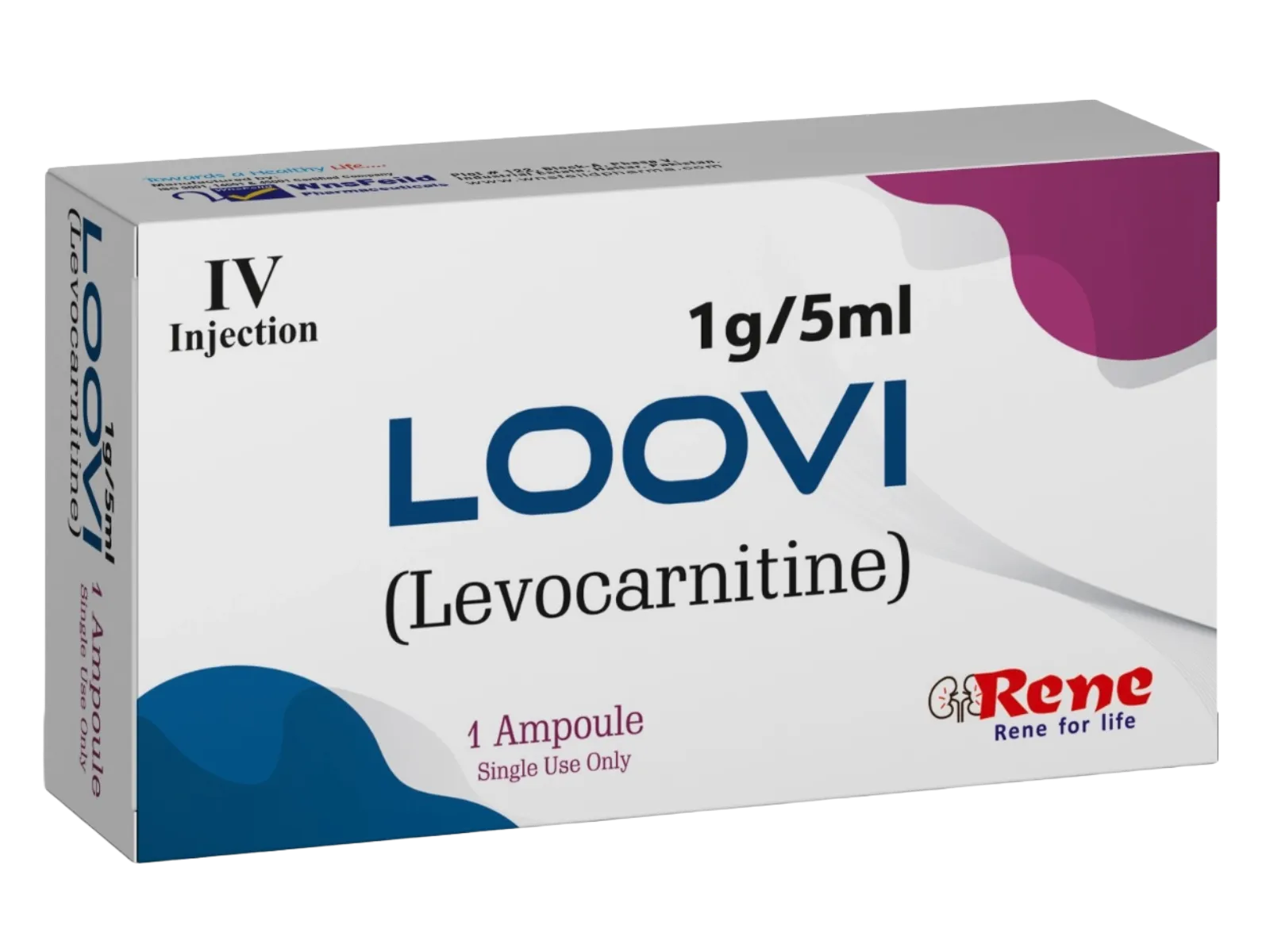
Description
Description
Rivaroxaban, sold under the brand name Xarelto®, is a direct oral anticoagulant (DOAC).
Indications
Rivaroxaban is prescribed to treat and prevent blood clots in various medical conditions.
- Treatment of deep vein thrombosis (DVT) and pulmonary embolism (PE), as well as the prevention of their recurrence.
- Prevention of stroke and systemic embolism in patients with non-valvular atrial fibrillation (an irregular heartbeat).
- Prophylaxis of DVT in patients who have undergone elective hip or knee replacement surgery.
- Reduction of major cardiovascular events (like heart attack or stroke) in patients with coronary artery disease (CAD) or peripheral artery disease (PAD), typically in combination with aspirin.
- Prevention of venous thromboembolism (VTE) in acutely ill hospitalized patients who are at risk for blood clots.
- Treatment of VTE and reduction of recurrent VTE in pediatric patients.
Mechanism of Action
Rivaroxaban works by acting as a direct, selective, and reversible inhibitor of Factor Xa (
- The Coagulation Cascade: Blood clotting is a complex process that involves a series of proteins called coagulation factors.
This cascade of reactions ultimately leads to the formation of a stable fibrin clot. A key step in this process is the conversion of prothrombin (Factor II) to thrombin (Factor IIa).
- The Role of Factor Xa (FXa): Factor Xa is a critical enzyme that sits at the junction of the intrinsic and extrinsic pathways of the coagulation cascade.
It is responsible for converting prothrombin to thrombin.
- Rivaroxaban’s Action: By directly and competitively inhibiting Factor Xa, rivaroxaban effectively blocks the formation of thrombin.
Since thrombin is necessary to convert fibrinogen into the fibrin mesh that forms a clot, its reduction prevents the final step of the coagulation cascade. This action prevents both free Factor Xa and clot-bound Factor Xa from functioning, thereby stopping the amplification of clot formation. - A key distinction of rivaroxaban is that it does not require a cofactor like antithrombin III to exert its anticoagulant effect, which is different from older drugs like heparin.
This selective and targeted mechanism of action leads to its predictable effect and makes routine monitoring of blood clotting times, such as INR (International Normalized Ratio), unnecessary for most patients.

Reviews
There are no reviews yet.