
Description
Description
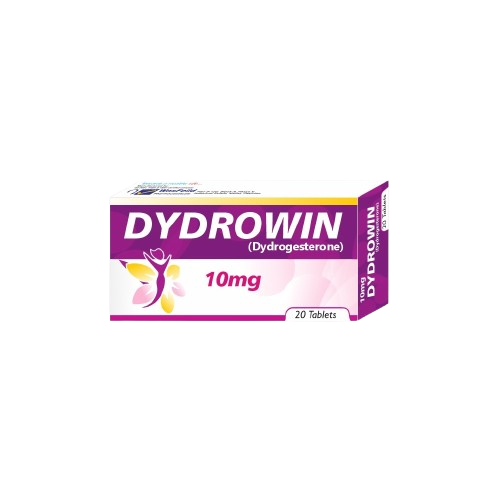
Dydrogesterone is a synthetic progestogen that is structurally and pharmacologically similar to natural progesterone.
Indication
Dydrogesterone is indicated for the treatment of various conditions caused by or associated with progesterone deficiency.
- Luteal Phase Support: It is used in assisted reproductive technologies (ART) to support the luteal phase of the menstrual cycle and help establish a pregnancy.
- Threatened and Habitual Abortion: It is used to prevent miscarriage in women with a history of recurrent miscarriage or in cases of threatened miscarriage due to luteal phase defect.
- Endometriosis: It is used to relieve the symptoms of endometriosis by inducing a decidualization of the endometrial tissue.
- Dysfunctional Uterine Bleeding: It is used to regulate the menstrual cycle and control abnormal uterine bleeding.
- Hormone Replacement Therapy (HRT): It is used in combination with estrogens to prevent endometrial hyperplasia and reduce the risk of endometrial cancer in postmenopausal women receiving estrogen therapy.
- Premenstrual Syndrome (PMS): It may be used to treat symptoms associated with PMS.
Mechanism of Action
The mechanism of action of dydrogesterone is based on its ability to act as an agonist at progesterone receptors, thereby mimicking the effects of natural progesterone.
- Binding to Progesterone Receptors: Dydrogesterone binds with high affinity to the progesterone receptors in the uterus, breast, and other target tissues. This binding activates the receptors and triggers a cascade of intracellular events that lead to the physiological effects of progesterone.
- Maintaining the Uterine Lining: In the uterine endometrium, progesterone plays a crucial role in preparing the lining for implantation of a fertilized egg.
It promotes the transformation of the proliferative endometrium into a secretory endometrium. When used to prevent miscarriage, dydrogesterone helps to maintain the integrity of the uterine lining, which is essential for the survival of the embryo. - Inhibition of Uterine Contractions: Dydrogesterone also has a tocolytic effect, meaning it helps to relax the smooth muscles of the uterus. By reducing uterine contractions, it can help prevent the expulsion of the embryo or fetus, which is a key mechanism in preventing threatened and habitual abortion.
- Counteracting Estrogen’s Effects: In hormone replacement therapy, progesterone’s role is to counteract the proliferative effect of estrogen on the uterine lining. Dydrogesterone ensures that the endometrium does not become excessively thick, thereby reducing the risk of endometrial hyperplasia and cancer.
Dydrogesterone’s unique stereoisomeric structure means that, unlike some other progestogens, it is not converted into androgens or estrogens and has very little effect on metabolic and endocrine parameters, which contributes to its favorable safety profile.
Reviews
There are no reviews yet.