
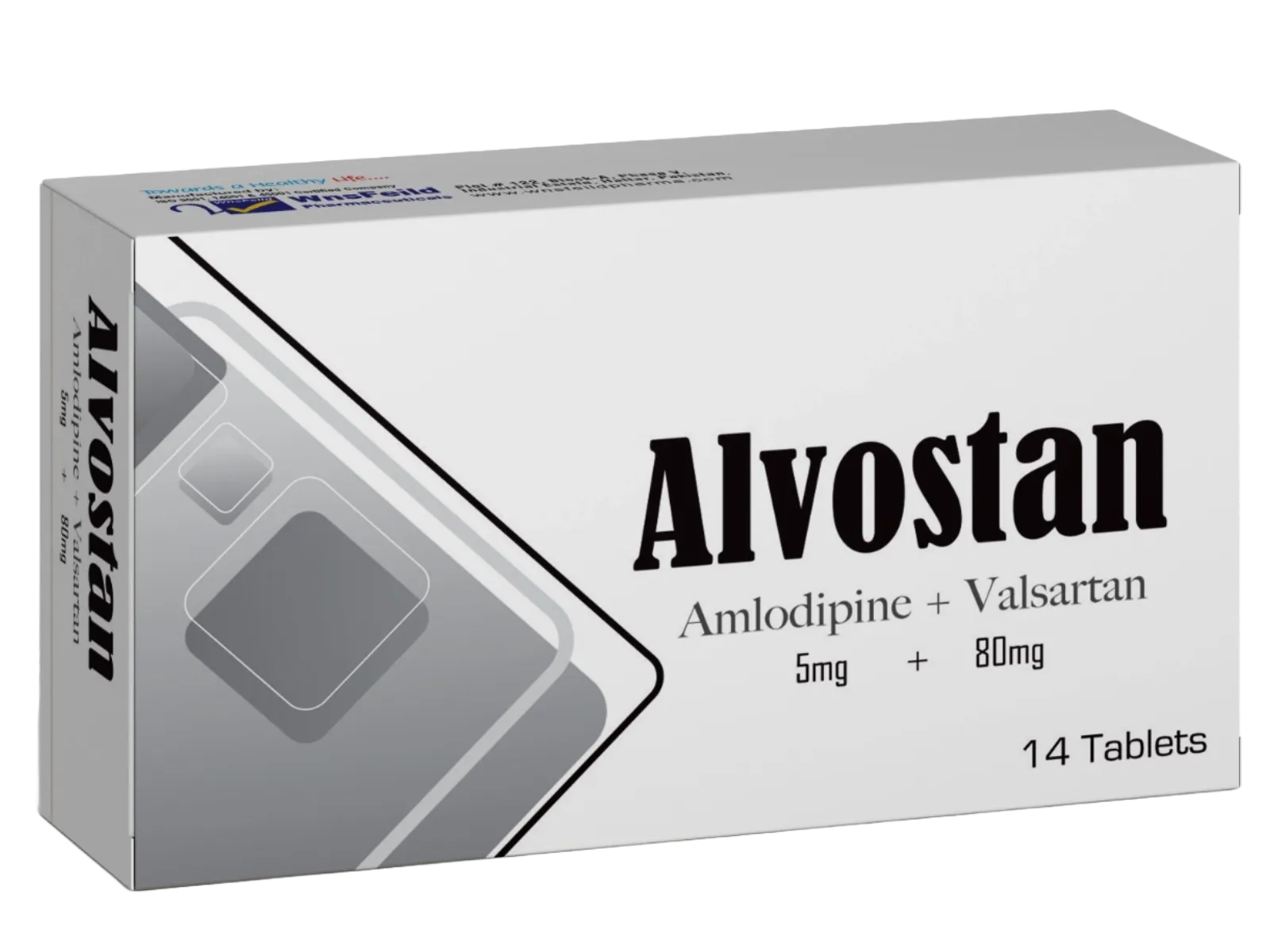
Description
Description
The combination of Amlodipine as Besylate and Valsartan is a single-tablet medication that contains two distinct and complementary drugs for the treatment of high blood pressure (hypertension).
Indications
This combination therapy is primarily indicated for the treatment of hypertension. It is typically prescribed in two main scenarios:
- For patients whose blood pressure is not adequately controlled by a single medication (either amlodipine or valsartan) on its own.
- As an initial therapy for patients who are likely to require more than one medication to reach their blood pressure goals, particularly those with more severe hypertension.
By lowering blood pressure, this medication reduces the risk of serious cardiovascular events, including stroke, heart attack, and heart failure.
Mechanism of Action
The combination works by targeting two different and vital pathways that regulate blood pressure:
1. Amlodipine (Calcium Channel Blocker)
Amlodipine is a calcium channel blocker that works by inhibiting the influx of calcium ions into the smooth muscle cells of the blood vessel walls.
- Vasodilation: The relaxation and widening of the arteries.
- Reduced Peripheral Resistance: This makes it easier for the heart to pump blood, which in turn lowers blood pressure.
2. Valsartan (Angiotensin II Receptor Blocker – ARB)
Valsartan works on the renin-angiotensin-aldosterone system (RAAS), a hormonal system that plays a crucial role in regulating blood pressure.
- Angiotensin II Receptor Blockade: Valsartan selectively blocks the binding of a powerful hormone called angiotensin II to its receptors in various tissues, including blood vessels.
- Prevention of Vasoconstriction: Angiotensin II normally causes blood vessels to constrict (tighten).
By blocking its effects, valsartan prevents this constriction, leading to further vasodilation.
- Decreased Aldosterone Release: It also reduces the release of aldosterone, a hormone that causes the body to retain sodium and water, which would otherwise increase blood pressure.
Combined Effect
The combination of these two drugs provides a synergistic effect:
- Amlodipine’s vasodilation reduces peripheral resistance.
- Valsartan’s blockade of the RAAS prevents blood vessel constriction and fluid retention.
This dual mechanism of action leads to a more significant and sustained reduction in blood pressure compared to monotherapy, while also mitigating some of the side effects of each drug. For example, valsartan can help counteract the peripheral edema (swelling in hands and feet) that is a common side effect of amlodipine.
Reviews
There are no reviews yet.